
The entrepreneurial landscape in India is rapidly evolving, with a significant shift towards deep technology and innovation-driven ventures. While metropolitan hubs have long dominated the startup narrative, Central India, particularly Madhya Pradesh, is emerging as a fertile ground for groundbreaking ideas. A critical, yet often underutilized, resource for this burgeoning ecosystem lies within its academic institutions. Universities and premier research bodies are not just centers of learning but also potent engines of innovation, housing cutting-edge research and brilliant minds. For startups in Central India aiming to make a mark in deep tech, understanding and effectively leveraging this university research is paramount to achieving market leadership and driving transformative breakthroughs.
What’s Happening: The Growing Synergy Between Academia and Industry
India’s commitment to fostering innovation is increasingly reflected in its higher education sector. Universities and research institutions are no longer solely academic enclaves; they are becoming dynamic hubs for applied research and entrepreneurial activity. The National Education Policy (NEP) 2020, along with initiatives like the Startup India Seed Fund Scheme (SISFS) and the DPIIT’s focus on technology transfer, are actively encouraging a closer nexus between academia and industry. This synergy is vital for deep tech, which by its nature demands intensive R&D, long development cycles, and interdisciplinary collaboration.
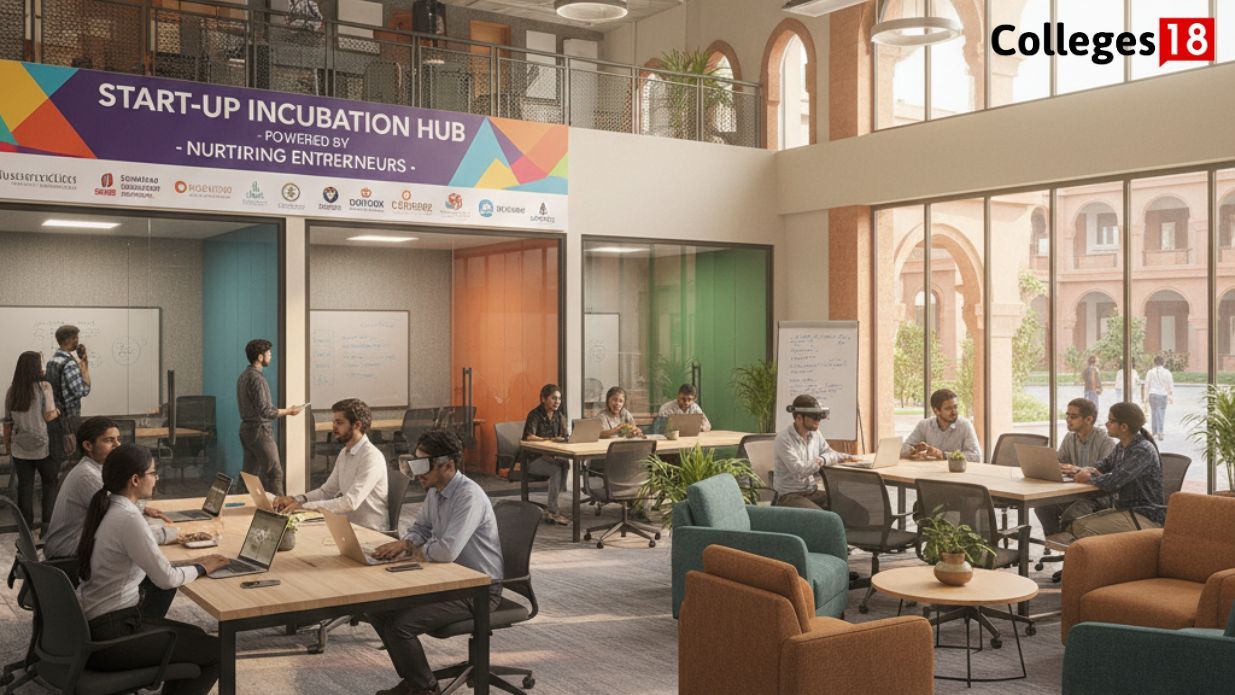
Recent trends show a significant increase in university-industry collaborations across India. Government bodies like the Department of Science and Technology (DST) have sanctioned substantial funds for collaborative research projects, leading to the development of innovative products and technologies. Institutions are establishing dedicated Technology Transfer Offices (TTOs) and incubation centers to facilitate the commercialization of research findings. This movement is not confined to established IITs and IIMs; it’s a nationwide push to translate academic discoveries into market-ready solutions. For instance, IIT Indore has been actively promoting industry-oriented research and entrepreneurship, aiming to establish itself as a focal point for innovation in Central India. Similarly, IIM Indore’s Entrepreneurship Cell (E-Cell) provides incubation and office space, fostering a vibrant startup ecosystem within its community.
The deep tech sector, in particular, is witnessing this academic-industry convergence. NASSCOM reports indicate a rapid growth in deep tech startups, with a significant portion driven by AI. These ventures often stem from foundational research conducted in universities, addressing complex challenges in areas like AI/ML, biotech, advanced materials, and clean energy. The Madhya Pradesh Startup Policy further supports this by encouraging product-based startups and fostering innovation, aligning with national goals to position India as a global innovation hub.

Why It Matters: Unlocking Potential for Founders, Investors, and Mentors
For founders in Central India, tapping into university research offers a unique competitive advantage. It provides access to cutting-edge intellectual property (IP), specialized expertise, and a pipeline of highly skilled talent that might otherwise be inaccessible or prohibitively expensive. Deep tech startups, which require significant R&D investment and long gestation periods, can significantly de-risk their ventures by building upon established academic research. This foundation can accelerate product development, reduce time-to-market, and enhance the credibility of the startup in the eyes of investors.
Investors benefit from this academic-industry linkage as well. University spin-offs and research-backed startups often represent a more mature and de-risked investment opportunity compared to idea-stage ventures. The presence of strong IP, validated research, and access to academic mentorship can signal a higher probability of success, attracting patient capital and strategic investments. For Central India, this means attracting more venture capital and angel investment into its emerging deep tech and innovation sectors, fostering a more robust funding ecosystem.
Mentors and ecosystem enablers, including organizations like TiE Indore, find a fertile ground for their expertise. They can guide startups in navigating the complexities of technology transfer, IP protection, and commercialization strategies. By connecting academic researchers with seasoned entrepreneurs and industry professionals, mentors can help bridge the gap between lab discoveries and market realities, ensuring that innovative ideas translate into viable businesses. This collaborative approach strengthens the entire entrepreneurial ecosystem, fostering a culture of innovation and growth.
How Startups Can Respond: A Strategic Approach to University Engagement
To effectively harness university research, startups need a proactive and strategic approach. The first step involves identifying research strengths and potential areas of collaboration within local and national academic institutions. This requires understanding the research focus of universities like IIT Indore, IIM Indore, and others, and mapping these strengths to market needs and business opportunities.
Engaging with university Technology Transfer Offices (TTOs) or Incubation Centers is crucial. These offices are designed to facilitate the commercialization of research, offering pathways for licensing IP, joint research projects, or even spinning out new ventures. Startups can explore options such as licensing existing patents, collaborating on new research projects, or even hiring researchers with specific expertise. For instance, IIT Indore’s Faculty Entrepreneurship Support Program (FESP) at DRISHTI CPS aims to empower faculty to commercialize their research, creating opportunities for external collaboration.
Building relationships with faculty members and researchers is equally important. These individuals are often at the forefront of their fields and can provide invaluable insights, mentorship, and access to their research networks. Participating in university-led innovation challenges, hackathons, or attending industry-academia meetups organized by institutions and bodies like TiE Indore can be excellent starting points.
The University-Startup Synergy Framework
To guide startups in this process, a structured framework can be invaluable:
- Identify Research Strengths: Research the focus areas and expertise of universities and institutions relevant to your startup’s domain. Look for departments or labs with a strong track record in deep tech, AI, biotech, or other relevant fields.
- Map to Market Needs: Align identified research areas with specific market problems or unmet needs. Understand the commercial viability and scalability of the underlying technology.
- Engage with Tech Transfer Offices (TTOs) / Incubation Centers: Contact the TTOs or incubation centers of target institutions. Inquire about licensing opportunities, collaborative research projects, or potential spin-offs.
- Explore Incubation & Lab Access: Investigate opportunities for startups to gain access to university labs, equipment, and incubation facilities. Institutions like IIT Indore and IIM Indore offer such support.
- Seek Academic Mentorship: Connect with faculty members and researchers who can offer technical guidance, industry insights, and access to their professional networks.
- Secure Funding & IP Protection: Leverage university resources and government schemes (like SISFS, MP Startup Policy) to secure seed funding and protect intellectual property. Understand the IP policies of the collaborating institution.
Local Lens: Central India’s Academic Powerhouses Driving Innovation
Central India boasts several institutions that are actively fostering innovation and entrepreneurship. IIT Indore, with its dedicated Incubation Centre and focus on industry-oriented research, is a prime example. It has incubated numerous startups and attracted significant funding, demonstrating its commitment to translating research into commercial success. The ACE Foundation at IIT Indore further supports this mission by empowering young founders.
IIM Indore, through its Entrepreneurship Cell (E-Cell) and ‘Cliqué’ innovation and incubation center, provides a nurturing environment for budding entrepreneurs, offering mentorship, networking opportunities, and incubation space. These institutions are not just educational bodies but active participants in the startup ecosystem, collaborating with various venture capital firms and angel networks.
Beyond Indore, institutions in Bhopal and other cities are also contributing. The Madhya Pradesh government’s Startup Policy actively promotes innovation and provides financial and non-financial assistance, encouraging startups to leverage academic research and institutional support. This policy, coupled with the efforts of incubators like those at MANIT Bhopal or Devi Ahilya University in Indore, creates a supportive framework for deep tech ventures rooted in academic excellence. The vision is to transform Central India into a hub where academic breakthroughs seamlessly transition into market-leading companies, fostering a culture of ‘ज्ञान की शक्ति’ (Gyan ki Shakti – The Power of Knowledge).

Takeaways: The TiE Mentoring Perspective
From a TiE mentoring perspective, the journey from university research to a successful startup requires a blend of technical acumen and business savvy. Mentors at TiE Indore emphasize that while groundbreaking research is essential, it’s only the first step. Founders must focus on developing a clear market strategy, understanding customer needs, and building a robust business model around their technology. This often involves pivoting or refining the initial research concept to align with market demands.
TiE’s network provides invaluable access to experienced entrepreneurs and investors who can guide startups through the critical stages of IP protection, fundraising, and scaling. Mentors can help founders navigate the often-complex process of technology transfer agreements, ensuring fair terms and fostering long-term partnerships with academic institutions. By actively participating in TiE’s programs and events, startups can gain the necessary insights and connections to transform academic innovations into sustainable, high-growth businesses. Consider joining TiE Indore as a Charter Member to gain access to this unparalleled mentorship and network.
Conclusion: Building India’s Deep Tech Future from the Heartland
The convergence of academic research and entrepreneurial ambition in Central India presents a powerful opportunity. Institutions like IIT Indore and IIM Indore are not just educating the next generation; they are incubating the future of deep tech innovation. By strategically engaging with university research, startups in Madhya Pradesh can build on a foundation of cutting-edge knowledge, access specialized talent, and secure crucial early-stage validation.
This approach is vital for developing the next wave of deep tech breakthroughs that can address national challenges and compete on a global scale. As Central India continues to strengthen its innovation ecosystem, the synergy between its academic powerhouses and its dynamic startup community will undoubtedly pave the way for market leaders and transformative technologies, solidifying the region’s role in India’s ambitious journey towards becoming a global innovation hub.
About the Author

Amit Agrawal — Treasurer. Treasurer: Founder & COO of Cyber Infrastructure (P) Ltd. “CIS”; champion of AI-Enabled, tech-driven, global solutions and entrepreneurship; AI-First Mid-Sized Software Partner Scaling Enterprise Innovation; MIT & IIM Alum; Author: Scaling in the Age of AI; Featured in: Forbes, YourStory, TiE; Patented-Innovator; Mentor; Investor.