
Pioneering Green Tech: How Central India’s Startups are Driving Sustainable Innovation Beyond Circular Economy Models
The global imperative for sustainability is no longer a distant ideal but an immediate necessity. As climate change intensifies, the demand for innovative, eco-friendly solutions is surging, creating fertile ground for a new wave of entrepreneurship. India, with its ambitious climate goals and a rapidly expanding economy, is at the forefront of this green revolution. While metropolitan hubs often capture the spotlight, Central India, particularly states like Madhya Pradesh, is emerging as a significant player in fostering green technology startups. These ventures are not merely adopting circular economy models; they are pioneering novel technological advancements that redefine environmental responsibility and economic viability. This article explores the burgeoning green tech ecosystem in Central India, highlighting its potential, challenges, and the actionable strategies for founders looking to make a sustainable impact.
What’s Happening: The Rise of Green Tech in India
India’s commitment to a sustainable future is evident in its policy frameworks and growing investment in green technologies. The nation is actively pursuing ambitious targets, including achieving net-zero emissions by 2070, which necessitates a rapid transition towards cleaner energy sources and sustainable practices across all sectors. The climate tech sector in India has witnessed remarkable growth, with cumulative funding reaching $12.8 billion as of 2026. Between January and October 2025, the sector attracted $1.95 billion across 128 rounds, indicating a strong investor confidence despite fewer deals, suggesting a focus on scale and maturity.
The market size for climate tech in India and Southeast Asia was valued at $102 billion in 2023 and is projected to reach $350 billion by 2030, growing at a compound annual growth rate (CAGR) of approximately 20 percent. This growth is fueled by a combination of factors: proactive government policies, falling technology costs, increasing environmental awareness, and a vibrant entrepreneurial ecosystem. Key sub-sectors driving this momentum include renewable energy, electric mobility, battery technology, energy efficiency, waste management, and sustainable agriculture. India is rapidly becoming a testing ground for scalable green startups, with renewable energy alone accounting for over 43 percent of installed power capacity.
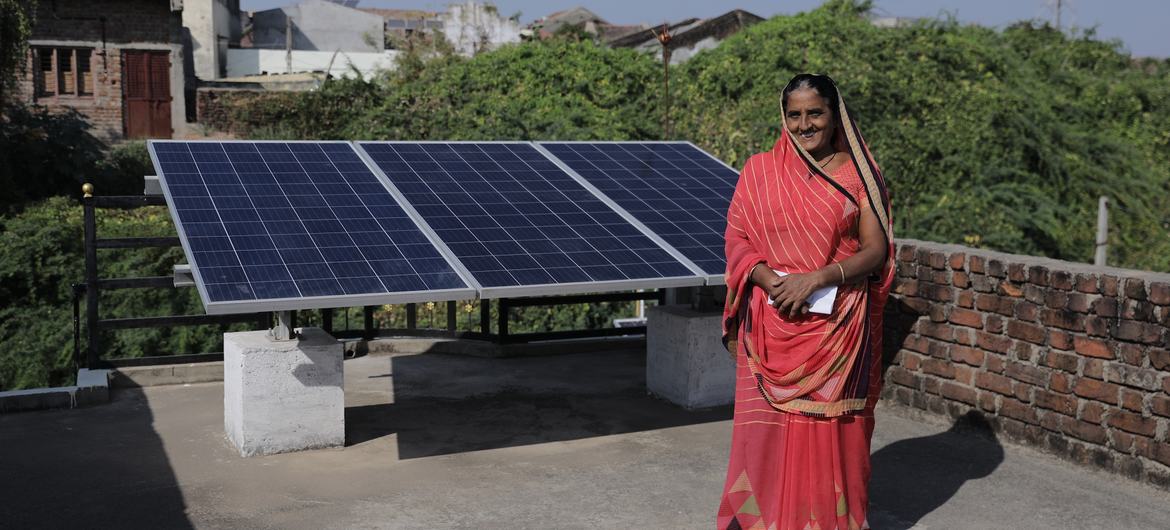
Beyond national trends, Madhya Pradesh is actively cultivating its startup ecosystem through policies like the Madhya Pradesh Startup Policy 2022 and its 2025 iteration. These policies aim to foster innovation, support incubation centers, and encourage product-based startups, aligning with the national ‘Startup India’ initiative. The state has seen significant growth in its startup numbers, with a notable percentage led by women entrepreneurs. While specific data on green tech startups in Central India is still emerging, the broader policy push and the region’s industrial and agricultural base present significant opportunities for sustainable ventures.
Why It Matters: Impact on Founders, Investors, and Mentors
The burgeoning green tech sector offers profound implications for all stakeholders in the entrepreneurial landscape. For founders, it represents an opportunity to build businesses that are not only profitable but also contribute positively to environmental and social well-being. Startups in this space can tap into a growing market driven by consumer demand for sustainable products and services, as well as increasing regulatory pressure for eco-friendly practices. The focus on innovation means there is ample room for disruptive technologies that can solve critical environmental challenges, from clean energy generation and storage to efficient waste management and sustainable agriculture.
Investors are increasingly recognizing the long-term value and resilience of green tech companies. The ESG (Environmental, Social, and Governance) investing trend is gaining significant traction, with investors seeking companies that demonstrate strong sustainability credentials. This shift is moving sustainability from a mere compliance checkbox to a core growth driver. Patient capital, often required for deep tech and infrastructure-heavy green ventures, is becoming more available, supported by government incentives and specialized venture funds. The potential for significant returns, coupled with the positive impact, makes green tech an attractive proposition for both venture capitalists and angel investors.

For mentors and organizations like TiE Indore, the rise of green tech presents a crucial area for focus. Mentors can guide founders through the unique challenges of this sector, including navigating complex regulations, securing specialized funding, and scaling capital-intensive technologies. TiE’s network can facilitate crucial connections between green tech startups, investors, research institutions, and industry partners, fostering a collaborative ecosystem. By championing sustainable innovation, TiE Indore can help position Central India as a hub for eco-conscious entrepreneurship, aligning with its mission to foster education, funding, and incubation for startups that drive economic and social progress.
How Startups Can Respond: Actionable Insights for Central India
Central India, with its diverse industrial base, agricultural significance, and growing urban centers like Indore and Bhopal, offers a unique landscape for green tech startups. Founders can leverage this environment by identifying specific regional needs and developing tailored solutions.
1. Focus on Renewable Energy Solutions: Madhya Pradesh has significant potential for solar and wind energy. Startups can focus on developing decentralized renewable energy solutions for rural areas, improving energy storage technologies, or offering energy efficiency services for industries and commercial buildings. For instance, developing micro-grid solutions for off-grid villages or providing smart energy management systems for industrial clusters in Indore and Bhopal could be highly impactful.
2. Innovate in Waste Management and Circular Economy: Cities like Indore are already recognized for their waste management efforts. Startups can build upon this by developing advanced waste-to-energy technologies, creating novel recycling processes for industrial or electronic waste, or developing sustainable materials from waste streams. The potential to convert agricultural residue into biofuels or bioplastics also presents a significant opportunity, given the state’s agricultural dominance.
3. Drive Sustainable Agriculture (Agri-Tech): With agriculture being a cornerstone of Madhya Pradesh’s economy, agri-tech startups focused on sustainability are crucial. This includes developing precision farming tools that reduce water and pesticide usage, creating climate-resilient crop varieties, or building platforms that connect farmers to markets for sustainable produce. Innovations in soil health management and organic farming practices can also address environmental concerns while improving farmer livelihoods.
4. Leverage Policy and Funding: The Madhya Pradesh Startup Policy 2025 offers significant support, including seed grants, capital funds, and incentives for DPIIT-recognized startups. Founders must actively understand and leverage these policies. Seeking incubation from recognized centers like those associated with IIM Indore or IIT Indore can provide access to mentorship, infrastructure, and funding networks. Exploring government grants and private funding from impact investors focused on cleantech is also vital.
5. Build Partnerships: Collaborating with established industries, research institutions, and government bodies can accelerate growth. For example, partnering with manufacturing units in the Pithampur industrial area to implement green manufacturing processes or working with agricultural universities to pilot new sustainable farming techniques can create strong market validation and impact.
Local Lens: Central India Examples and Institutions
Central India, particularly Madhya Pradesh, is steadily building its capacity to support green tech innovation. Cities like Indore, with its focus on becoming a smart city, are already implementing initiatives in waste management and renewable energy adoption. Bhopal, the state capital, is also a growing hub for policy and business development, as evidenced by the MSME Summit 2025 announcements. While specific green tech startup success stories from Jabalpur and Gwalior are still emerging, their industrial and resource bases offer untapped potential.
Key institutions are playing a vital role. IIM Indore is increasingly incorporating sustainability into its curriculum and research, fostering a generation of business leaders aware of environmental imperatives. IIT Indore, with its focus on research and development, can be a crucial partner for deep-tech green innovations, particularly in areas like materials science and energy. The Madhya Pradesh Industrial Development Corporation (MPIDC) and its IT parks like the Indore Super Corridor, MPSEDC IT Park, and Crystal IT Park provide the necessary infrastructure and ecosystem for tech-driven startups to thrive.

TiE Indore, through its mentorship programs and networking events, is instrumental in connecting these nascent green tech ventures with the resources they need. By fostering a supportive environment, TiE Indore helps entrepreneurs navigate the complexities of scaling sustainable businesses, encouraging them to think globally while acting locally. The vision is clear: to build a greener future, one innovation at a time, right here in the heart of India. As we move towards a more sustainable economy, the spirit of innovation in cities like Indore and Bhopal will be key. Together, we are moving “हरित भविष्य की ओर” (towards a green future).
Takeaways: A TiE Mentoring Perspective
From a TiE mentoring standpoint, fostering green tech startups requires a multi-faceted approach that emphasizes long-term vision, impact measurement, and resilience. Mentors often guide founders to look beyond immediate profitability and consider the broader environmental and social impact of their ventures. This involves helping them define clear sustainability metrics and integrate them into their business models.
Practical actions for founders include:
- Conduct Thorough Market Research: Understand the specific environmental challenges and opportunities within Central India. Identify niches where sustainable solutions are most needed and have the highest potential for adoption.
- Validate Technology and Business Model: Green tech often involves complex technologies. Mentors can help founders validate their solutions, ensure scalability, and refine their business models for both economic viability and environmental impact.
- Build a Strong, Mission-Driven Team: Attracting talent passionate about sustainability is crucial. A team aligned with the company’s mission can drive innovation and resilience.
- Seek Specialized Funding: Understand the landscape of impact investors, government grants for green initiatives, and venture capital firms focused on cleantech. TiE’s network can be invaluable in making these connections.
- Embrace Collaboration: Partner with research institutions, industry players, and government bodies to accelerate development, gain market access, and amplify impact.
Conclusion: Global Context and Motivational Close
The global shift towards sustainability is irreversible, and India is poised to play a leading role in this transformation. Green tech startups are not just businesses; they are agents of change, offering solutions to some of the world’s most pressing environmental issues. Central India, with its strategic location, growing industrial base, and supportive policy environment, is well-positioned to become a significant contributor to this movement.
The journey of a green tech startup is often challenging, requiring significant capital, long development cycles, and a deep commitment to its mission. However, the rewards—both financial and societal—are immense. By embracing innovation, leveraging regional strengths, and actively engaging with ecosystem enablers like TiE Indore, founders in Central India can build businesses that not only achieve scale and profitability but also contribute to a healthier planet for future generations. The time to innovate for a sustainable tomorrow is now, and the heartland of India is ready to lead the charge.

About the Author

Nilesh Maheshwari — Joint Secretary. Founder & CEO of Emorphis Health; focus on delivering Scalable, Secure, & Smart Health-Tech Solutions; I know that true innovation happens at the intersection of tech and human impact and believes in creating, innovating, and transforming digital health.