
Human Progress Through Entrepreneurship: Innovating for Social Impact in Central India
The dawn of a new decade presents a pivotal moment for entrepreneurship, shifting the focus beyond mere profit to encompass profound human progress and societal well-being. In Central India, a region rich in potential and diverse challenges, social impact entrepreneurship is emerging as a powerful engine for positive change. This movement empowers founders to ‘Dream. Dare. Disrupt.’ not just markets, but lives, by creating innovative solutions that address critical societal needs. As we look towards the future, understanding and fostering this sector is paramount for building a more equitable and sustainable Central India.
What’s Happening: The Rise of Purpose-Driven Ventures
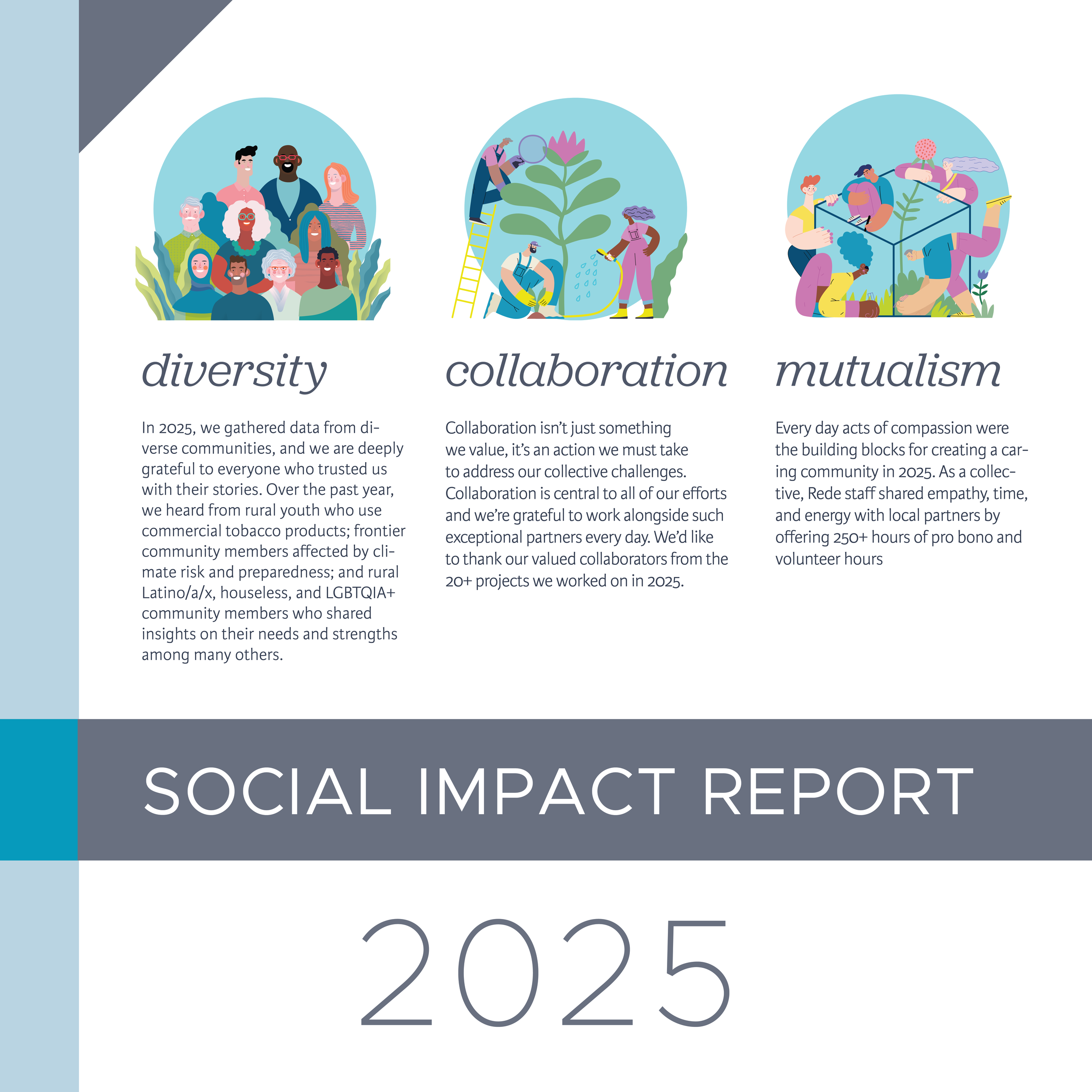
Globally, the landscape of entrepreneurship is increasingly defined by purpose. Social impact investing, a rapidly growing segment, saw significant traction in India, with capital flowing into sectors like education, healthcare, sustainable agriculture, and clean energy. Reports suggest significant growth. NITI Aayog consistently highlights the crucial role of social enterprises in achieving the Sustainable Development Goals (SDGs) and fostering inclusive economic growth across the nation. While precise figures for Central India are still coalescing, the trend is undeniable: entrepreneurs are increasingly seeking to build ventures that deliver both financial returns and measurable social or environmental benefits. This shift is driven by a confluence of factors, including growing awareness of global challenges, evolving consumer preferences, and supportive policy frameworks aimed at nurturing social innovation.
The impact investing market in India is projected to reach USD 15,990.3 million by 2034, growing at a compound annual growth rate of 24.25% from 2026-2034. This growth is fueled by a maturing ecosystem and increasing investor appetite for ventures that offer both financial returns and positive societal outcomes. The focus on ESG (Environmental, Social, and Governance) principles is becoming a significant driver for capital allocation, pushing more investors towards impact-focused opportunities.
Why It Matters: Purpose, Profit, and Progress
For founders in Central India, embracing social impact offers a compelling pathway to purpose-driven innovation. It attracts passionate talent, fosters deeper customer loyalty, and creates a unique brand identity that resonates with a conscious market. Investors, too, are recognizing the immense potential and growing demand for impact investments. The ESG mandate is gaining prominence, directing capital towards ventures that demonstrate a commitment to societal good. Mentors find a profound opportunity to leverage their experience not just for business scaling, but for creating lasting legacies that uplift communities. Central India, with its unique socio-economic fabric and specific developmental challenges, is ideally positioned to become a crucible for groundbreaking social enterprises that can serve as models for the rest of the country.
The venture approach is common for impact investments in India, focusing on for-profit enterprises catering to vulnerable sections. However, there’s a recognized need for growth-stage impact funds to help scale these solutions planet-wide and move the needle on SDGs. This presents a significant opportunity for investors and entrepreneurs alike to bridge this gap and foster sustainable development.
How Startups Can Respond: Local Needs, Global Vision
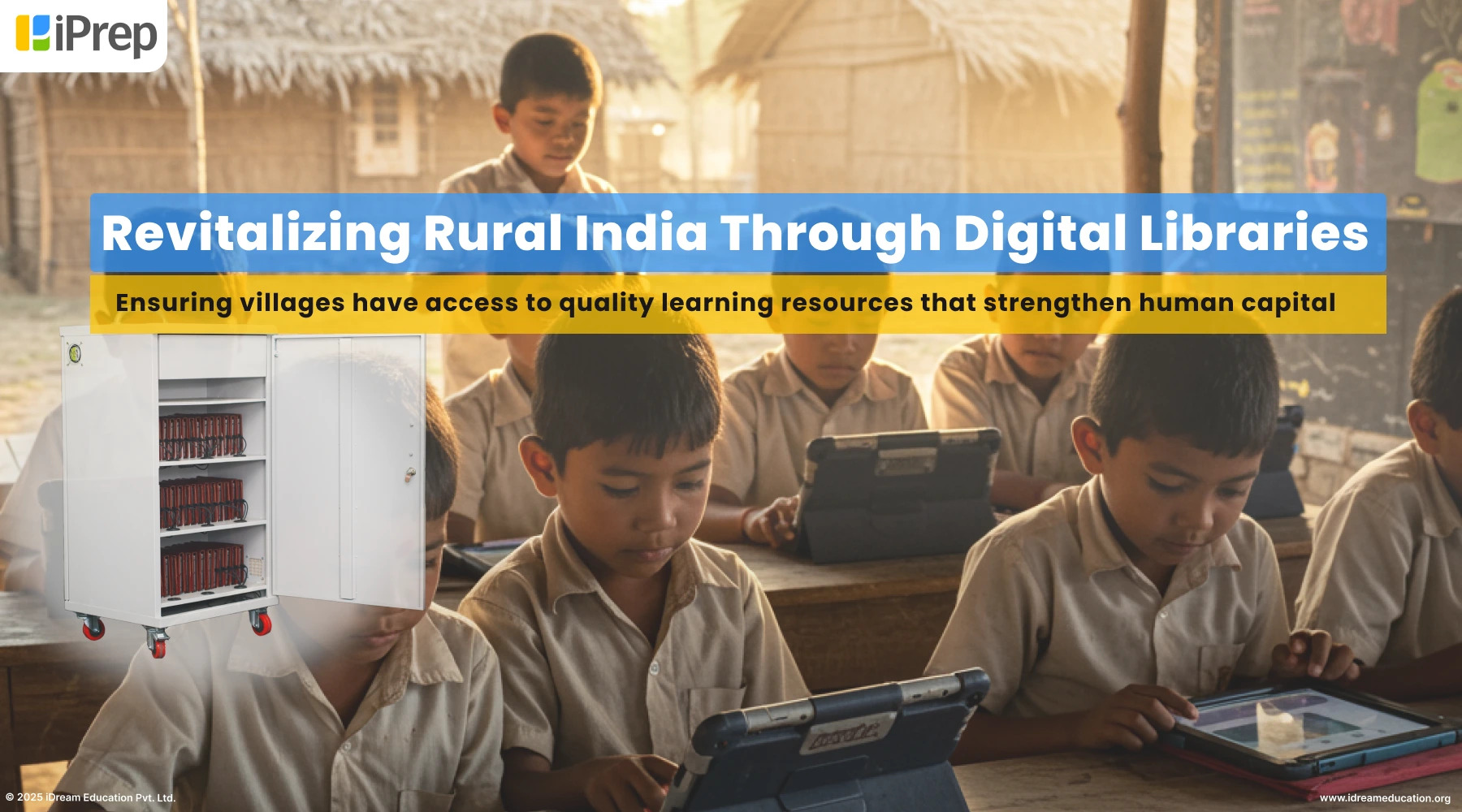
Startups in Central India can harness the power of social impact by strategically identifying and addressing local needs. This involves deeply understanding the challenges prevalent in Madhya Pradesh – from improving rural livelihoods and enhancing access to quality education and healthcare, to promoting environmental sustainability and waste management. Developing innovative, blended-value business models that integrate social outcomes with financial viability is key. For instance, a tech-enabled platform could connect smallholder farmers in the Malwa region to wider markets, ensuring fairer prices and reducing post-harvest losses. Similarly, affordable health-tech solutions could extend critical medical services to remote areas of the state.
Collaboration is paramount; social enterprises should actively seek partnerships with NGOs, government bodies like MPSEDC, and academic institutions such as IIM Indore and IIT Indore to amplify their reach and impact. Crucially, these ventures must establish robust frameworks for measuring their social and environmental impact, moving beyond traditional financial metrics to demonstrate tangible positive change. The AI for Transformative Social Impact Grant, for example, supports organizations using AI to address major social challenges in India, offering grants up to INR 50 lakhs.
Local Lens: Madhya Pradesh’s Social Innovation Hub
Central India is fertile ground for social innovation. Imagine a startup in Indore developing low-cost water purification systems for rural communities, or an enterprise in Bhopal leveraging digital tools to provide vocational training to underserved youth. Institutions like IIM Indore and IIT Indore are increasingly fostering research and incubation that can lead to deep-tech solutions for social good. Hubs like the MPSEDC IT Park in Indore can provide the technological backbone for such ventures. TiE Indore, through its extensive network and programs like TiE Women MP, actively supports entrepreneurs who are driven by purpose. These initiatives provide crucial mentorship, networking opportunities, and access to funding, empowering founders to translate their vision for samajik pragati (social progress) into reality. The upcoming TiE Global Summit 2027 in Indore, themed ‘The Next Decade: Dream. Dare. Disrupt.’, will undoubtedly provide a global platform to showcase and amplify these local impact-driven innovations.
Notable social enterprises in Madhya Pradesh include Kha Digi, which revives traditional textile crafts and employs over 1000 artisans, and the Institute for Sustainable Communities, working on water stewardship and empowering women farmers. Eklavya Foundation focuses on educational reform, while Jan Swasthya Sahyog provides healthcare in tribal areas.

Takeaways: TiE’s Mentoring Perspective for Impact
From a TiE mentoring perspective, building a successful social impact enterprise requires a dual focus: a clear, unwavering social mission coupled with a sound, scalable business strategy. Mentors can guide founders in navigating the unique challenges of this sector, from impact measurement and stakeholder management to securing patient capital. Practical actions for aspiring social entrepreneurs include:
- Define Your Purpose: Clearly articulate the social or environmental problem you aim to solve and your unique approach.
- Develop a Blended Value Model: Design a business model where social impact is intrinsically linked to financial sustainability.
- Build a Passionate Team: Surround yourself with individuals who are committed to both the mission and the business objectives.
- Seek Strategic Partnerships: Collaborate with NGOs, government agencies, and other stakeholders to maximize reach and impact.
- Measure and Communicate Impact: Establish clear metrics and transparently report on your social and environmental outcomes.
TiE Indore’s programs, including TiE Women MP and TiE Angels, provide crucial support for entrepreneurs aiming to make a difference, connecting them with experienced mentors and investors who understand the nuances of impact-driven ventures.
Conclusion: Building a Better Future, Together
The global narrative is shifting towards businesses that contribute positively to society. As Central India steps into the next decade, its entrepreneurs have an unparalleled opportunity to lead this charge, driving human progress through innovation and purpose. The spirit of ‘Dream. Dare. Disrupt.’ is perfectly embodied by those who choose to build ventures that not only succeed commercially but also create tangible, lasting good. By leveraging local talent, embracing emerging opportunities, and fostering a supportive ecosystem, Central India can become a beacon for social impact entrepreneurship, demonstrating that profitability and purpose can, and must, go hand in hand. Join the movement, connect with TiE Indore, and be a part of building a better future.
Structured Element: Key Social Impact Areas and Startup Opportunities in Central India
| Key Social Impact Areas in Central India | Potential Startup Solutions & Opportunities |
|---|---|
| Rural Livelihoods & Agriculture | Agri-tech platforms for small farmers, supply chain optimization for local produce, sustainable farming practices adoption, rural e-commerce. |
| Healthcare Access | Telemedicine services for remote areas, affordable diagnostic tools, health education platforms, last-mile delivery of medicines. |
| Education & Skill Development | EdTech solutions for vernacular languages, vocational training for youth, digital literacy programs, early childhood education initiatives. |
| Environmental Sustainability | Waste management and recycling solutions, renewable energy adoption for MSMEs, water conservation technologies, eco-tourism initiatives. |
| Women Empowerment & Inclusion | Platforms for women artisans/entrepreneurs, skill development for marginalized communities, gender-sensitive tech solutions. |
About the Author

Dr. Mayur Sethi — General Secretary. Founder & Director of AdvertiCe/YellowDigi; Champions of Change Awardee, Serial Entrepreneur, Digital Media & Marketing Leader, StartUp Ecosystem Catalyst, 50 Under 50 Marketing Professional, 40 Under 40 Disruptive Minds; advocate for digital marketing and growth innovation.