
The global automotive industry is undergoing a seismic shift, driven by the urgent need for sustainable solutions and technological advancements. Electric Vehicles (EVs) and smart transportation systems are no longer futuristic concepts but present-day realities reshaping how we move. For Central India, a region poised for significant economic and technological growth, this transformation presents a fertile ground for innovation and entrepreneurial ventures. Startups in Madhya Pradesh, particularly in cities like Indore and Bhopal, are at the forefront of this mobility revolution, leveraging supportive government policies, burgeoning infrastructure, and a dynamic ecosystem to drive the future of transportation.
What’s Happening: A Surge in Electric Mobility and Intelligent Transport
India is witnessing an unprecedented surge in electric vehicle adoption, with sales nearly doubling in recent years and projected to grow substantially. This momentum is fueled by a confluence of factors: increasing consumer awareness about environmental sustainability, rising fuel prices, and robust government initiatives. The Union government’s Faster Adoption and Manufacturing of Electric Vehicles (FAME) scheme, particularly FAME-II, along with Production Linked Incentive (PLI) schemes for automobiles and battery storage, has provided critical impetus. Madhya Pradesh has proactively embraced this transition, unveiling its comprehensive Electric Vehicle (EV) Policy 2025. This policy aims to establish the state as a leading EV manufacturing hub by offering attractive incentives for EV adoption and component manufacturing, including subsidies for various vehicle types, tax exemptions, and support for charging infrastructure development.
Beyond individual vehicle ownership, the concept of smart mobility is gaining traction. Cities like Indore and Bhopal are actively integrating intelligent transport systems (ITS) as part of their Smart City Mission initiatives. This includes developing multimodal transport hubs, optimizing public transport networks, and implementing technologies for real-time traffic management and passenger information systems. The ongoing metro projects in Indore and Bhopal are set to further revolutionize urban commuting, offering cleaner, more efficient, and accessible transit options. The Madhya Pradesh government’s ‘Mobility Vision 2030’ underscores this commitment, focusing on safer, smarter, and greener public transport through public-private partnerships and technological integration.

Why It Matters: Opportunities for Growth and Sustainable Development
The burgeoning EV and smart mobility sector presents a compelling landscape for entrepreneurs, investors, and mentors in Central India. For founders, it signifies a chance to tap into a rapidly expanding market with significant growth potential. Opportunities abound in areas such as EV manufacturing (components, batteries, vehicles), charging infrastructure development, battery swapping solutions, EV software and connectivity, fleet management, and smart transportation services. Startups are crucial in driving innovation, often introducing cutting-edge technologies and business models that legacy players are slower to adopt.
Investors see immense potential for high returns as the market matures and government support continues. The focus on sustainable development, reduced carbon emissions, and energy independence aligns with global investment trends. For mentors, this sector offers a dynamic area to guide emerging businesses, helping them navigate technological challenges, market entry strategies, and regulatory landscapes. The emphasis on local manufacturing, job creation, and improving urban quality of life through cleaner transport makes this a sector with significant societal impact, resonating with TiE’s mission to foster entrepreneurship for nation-building.
How Startups Can Respond: Riding the Wave of Innovation
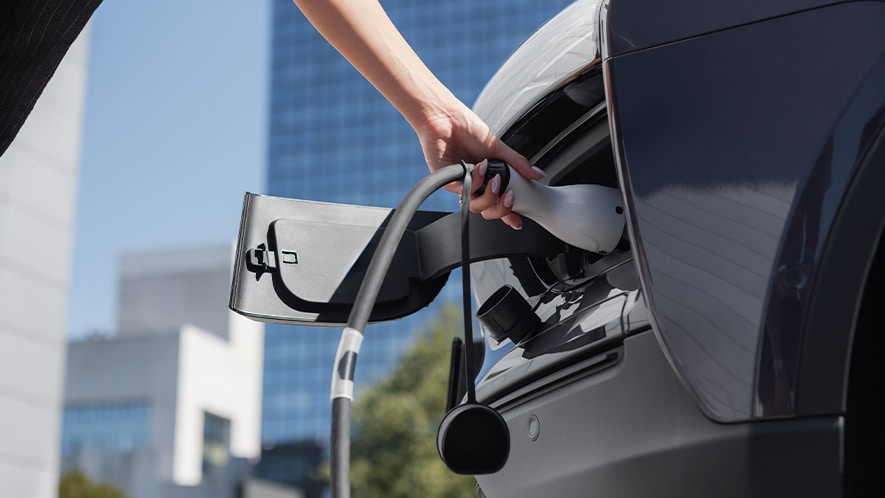
Startups in Central India can strategically position themselves to capitalize on the mobility revolution. A key area is the development and deployment of charging infrastructure. Companies can focus on setting up public charging stations, battery swapping networks, or even innovative solutions like portable and wireless charging. Bolt.Earth, for instance, is building a vast EV charging network across India, demonstrating the scalability of such ventures. Another significant opportunity lies in manufacturing EV components, catering to the growing demand for localized production, supported by government PLI schemes.
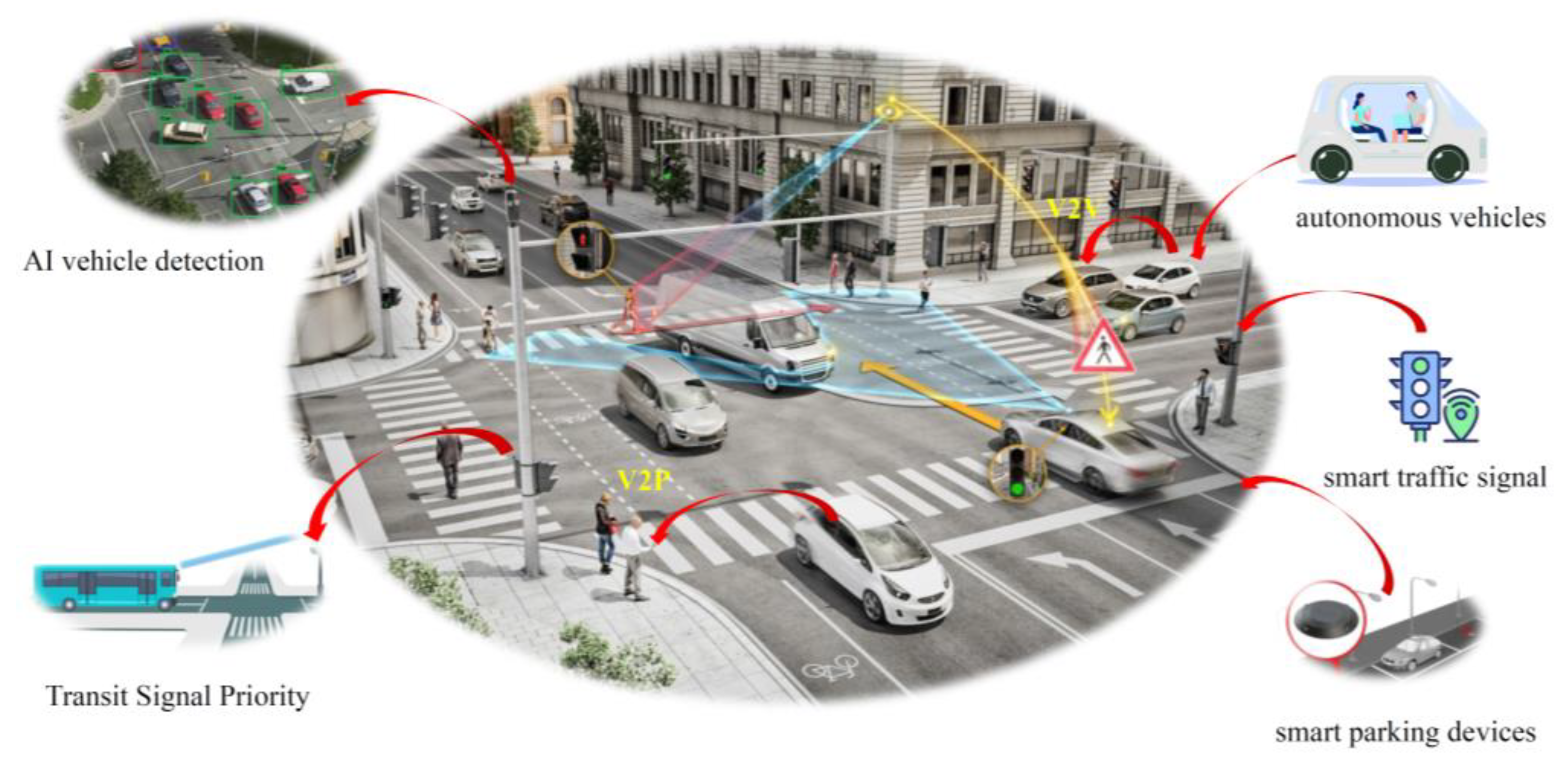
Furthermore, the integration of technology into transportation offers vast potential. Startups can develop software solutions for fleet management, real-time vehicle diagnostics, AI-powered route optimization, and integrated Mobility-as-a-Service (MaaS) platforms. The automotive industry standard AIS140, mandating tracking devices in commercial vehicles, opens avenues for telematics and IoT-based solutions. For last-mile connectivity, particularly in urban and semi-urban areas, electric three-wheelers and cargo vehicles are gaining prominence. Companies like Enigma Automobiles in Bhopal have already demonstrated success in this segment. Focusing on niche segments like electric cargo, specialized EV components, or retrofitting services can also carve out unique market positions.
Local Lens: Indore, Bhopal, and Beyond Leading the Charge
Central India, with its strategic location and growing industrial base, is well-positioned to become a hub for mobility innovation. Indore, recognized for its ‘Smart City’ initiatives, is already implementing advanced local transport systems. The city’s BRTS and iBus services are being enhanced with digital ticketing and real-time tracking, making public transport more reliable and accessible. The Indore Metro, partially operational and expanding, is a testament to the city’s commitment to modern public transit. IIT Indore, through its Center for Electric Vehicle and Intelligent Transport Systems (CEVITS), is actively contributing to research and development in EV technology and smart mobility, fostering a talent pool crucial for the sector’s growth.
Bhopal is also on a similar trajectory, with its own metro project underway and a focus on integrating sustainable transport solutions. The Madhya Pradesh EV Policy 2025 specifically designates Bhopal, Indore, Gwalior, Jabalpur, and Ujjain as ‘Model EV Cities,’ aiming to set benchmarks for EV infrastructure and adoption. Startups like Enigma Automobiles in Bhopal are already making their mark in EV manufacturing, while companies like Elesco and Ashvashakti are contributing to the electric rickshaw and e-bike segment across the state. The state’s Passenger Transport Vision Summit, held in Indore, further highlights the collaborative effort to shape the future of mobility in Madhya Pradesh, bringing together stakeholders to discuss green technology, PPP models, and innovative solutions. The increasing number of EVs being subsidized in districts like Indore, Gwalior, Jabalpur, and Bhopal under schemes like PM E-DRIVE underscores the growing adoption at the grassroots level. As the state government pushes for cleaner fuels and modern public transport, the ecosystem is ripe for local entrepreneurs to innovate and scale.
Takeaways: A TiE Mentoring Perspective
From a TiE mentoring standpoint, the future of mobility in Central India offers a compelling narrative of opportunity and impact. Founders looking to enter this space should focus on identifying specific pain points within the EV and smart transportation ecosystem. This could range from developing cost-effective battery management systems to creating user-friendly charging solutions or innovative fleet management software. Understanding the nuances of government policies and incentives is crucial for strategic planning and securing funding. Collaboration is key; partnering with educational institutions like IIT Indore for R&D, or with established players for market access, can accelerate growth.
Mentors can guide startups on building robust business models that are not only technologically sound but also financially sustainable. This includes advising on capital efficiency, market penetration strategies, and building strong teams. The emphasis on local manufacturing and job creation aligns with the broader goal of economic development in Madhya Pradesh, making these ventures attractive for both impact investors and those seeking scalable business opportunities. For aspiring entrepreneurs, the message is clear: the future of mobility is electric and intelligent, and Central India is ready to lead the charge. Let’s embrace this transformation together – Chalo, electric chalate hain! (Let’s go, let’s drive electric!)
Conclusion: Driving Towards a Sustainable and Connected Future
The transition to electric vehicles and smart transportation is not merely a technological upgrade; it’s a fundamental shift towards a more sustainable, efficient, and connected future. Central India, with its proactive policies, growing infrastructure, and vibrant startup ecosystem, is ideally positioned to be a significant player in this global transformation. The innovative spirit of local entrepreneurs, supported by institutions like TiE Indore, IIT Indore, and government bodies, is paving the way for a new era of mobility. By focusing on innovation, collaboration, and sustainable practices, startups in Indore, Bhopal, and across Madhya Pradesh can not only achieve significant business success but also contribute meaningfully to building cleaner, smarter, and more accessible cities for generations to come.
About the Author

Sawan Laddha — President. Growth Specialist for Startups & MSMEs, Founder, Workie Office Spaces, 22,000+ Seats Delivered, Investor, Founding Member YPO MP, President TiE Madhya Pradesh, Building businesses by unlocking scale space & talent — building Central India’s entrepreneurial ecosystem.