
The current global economic climate presents a complex landscape for startups. While innovation continues to thrive, founders are increasingly navigating challenges such as fluctuating funding rounds, shifting consumer demands, and operational cost pressures. For entrepreneurs in Central India, a region rapidly emerging as a startup hub, building resilience is not just a strategy but a necessity for sustainable growth. This article delves into actionable strategies that founders in Indore, Bhopal, and beyond can employ to not only weather economic storms but also emerge stronger, leveraging the unique advantages of the Central Indian ecosystem and the support structures like TiE Indore.
What’s Happening: Data and Context
The global economy is experiencing a period of recalibration, marked by inflation concerns, geopolitical uncertainties, and a more cautious approach from venture capital investors. This has led to a slowdown in funding rounds compared to the peak years, with a greater emphasis on profitability and sustainable business models over hyper-growth. In India, while the startup ecosystem remains robust, founders are reporting longer fundraising cycles and increased scrutiny on unit economics. For Central India, which is actively building its entrepreneurial infrastructure, these global trends translate into specific challenges and opportunities. Startups in cities like Indore and Bhopal must adapt to a market where capital is more discerning, and operational efficiency is paramount. The Madhya Pradesh government’s startup policies, such as the MP Startup Policy 2025, aim to foster growth, but founders must strategically leverage these to navigate the current economic climate effectively.
Why It Matters: Impact on Founders, Investors, and Mentors
Economic volatility directly impacts the survival and growth trajectory of startups. For founders, it means increased pressure to manage cash flow, optimize operations, and maintain team morale amidst uncertainty. The ability to pivot and adapt becomes critical. Investors, too, are recalibrating their strategies, focusing on startups with proven business models, strong unit economics, and clear paths to profitability. This shift means that early-stage funding might become harder to secure, necessitating a greater focus on bootstrapping and capital efficiency. Mentors play a crucial role in guiding founders through these turbulent times, offering strategic advice, sharing experiences, and helping them maintain perspective. The ecosystem as a whole benefits when its constituent parts are resilient, fostering a more stable and attractive environment for future investment and innovation.
How Startups Can Respond: Actionable Insights
Startups in Central India can adopt several proactive strategies to build resilience and ensure sustainable growth:
- Embrace Capital Efficiency: Focus on achieving profitability and positive cash flow. This involves rigorous budgeting, scrutinizing every expense, and prioritizing investments that yield the highest returns. For instance, instead of large marketing spends, startups can focus on organic growth and customer referrals.
- Diversify Revenue Streams: Relying on a single product or service can be risky. Exploring complementary offerings or expanding into adjacent markets can create multiple income sources, reducing dependence on any one area.
- Strengthen Customer Relationships: In a competitive market, retaining existing customers is often more cost-effective than acquiring new ones. This means investing in exceptional customer service, personalized experiences, and building loyalty programs. For Central Indian startups, understanding the nuances of local consumer behaviour can be a significant advantage.
- Optimize Operations with Technology: Startups can leverage existing technologies for process automation, data analytics for better decision-making, and cloud-based solutions for scalability and cost-effectiveness. This ensures operational agility without excessive expenditure.
- Build a Strong, Adaptable Team: Foster a culture of transparency, collaboration, and continuous learning. Empowering employees and ensuring their well-being contributes to a more resilient workforce capable of adapting to changing circumstances.
- Strategic Networking and Partnerships: Actively engage with the startup ecosystem. Collaborating with other businesses, seeking advice from mentors, and participating in industry events can open doors to new opportunities, resources, and support networks.
Local Lens: Indore/Bhopal Examples and Ecosystem Support
Central India, with its burgeoning startup ecosystem in cities like Indore and Bhopal, offers unique advantages for building resilience. Institutions such as IIM Indore and IIT Indore are nurturing a talent pool equipped with cutting-edge knowledge and entrepreneurial spirit. The Madhya Pradesh government’s initiatives, including the MPSEDC IT Park and Crystal IT Park, provide essential infrastructure and policy support, creating a conducive environment for tech-based startups. TiE Indore plays a pivotal role through its mentorship programs, networking events, and flagship TiE Con MP, connecting founders with experienced mentors and investors who can guide them through economic challenges. For example, a SaaS startup in Indore might leverage the local talent pool from engineering colleges to build a robust product while focusing on customer retention strategies tailored to the regional market. Similarly, a manufacturing MSME in Bhopal could explore partnerships within the Electronics Complex to optimize its supply chain and reduce operational costs, thereby enhancing its resilience. TiE’s focus on ‘Funding’ and ‘Incubation’ ensures that founders have access to resources and guidance to manage their capital efficiently and scale strategically.
Takeaways: A TiE Mentoring Perspective and Practical Actions
From a TiE mentoring perspective, resilience is built on a foundation of strong fundamentals and a proactive mindset. Mentors at TiE Indore emphasize several key takeaways for founders navigating economic headwinds: Focus on Fundamentals: Ensure your business model is sound, your value proposition is clear, and your unit economics are healthy. This is the bedrock of resilience. Master Capital Efficiency: Understand your burn rate, extend your runway, and seek funding strategically, prioritizing investors who align with your long-term vision. Cultivate a Growth Mindset: View challenges as opportunities for innovation and learning. Adaptability is key. Leverage the TiE Network: Engage with mentors, fellow entrepreneurs, and the wider TiE community. Peer learning and expert guidance are invaluable during tough times. Prioritize Team Well-being: A motivated and supported team is more likely to overcome obstacles. Foster a culture of trust and open communication.
Practical actions include conducting a thorough financial review, identifying non-essential expenditures, exploring new customer segments or revenue streams, and actively participating in TiE Indore’s mentorship sessions and workshops.
Conclusion: Global Context and Motivational Close
The journey of entrepreneurship is rarely linear, and economic cycles are an inherent part of the business landscape. While global economic shifts present challenges, they also foster innovation and create opportunities for those who are prepared. Central India’s startup ecosystem, with its growing talent pool, supportive infrastructure, and active community like TiE Indore, is well-positioned to nurture resilient founders. By focusing on core business principles, strategic planning, and leveraging the collective wisdom of the entrepreneurial network, startups in Indore, Bhopal, and across Madhya Pradesh can not only survive but thrive, building sustainable businesses that contribute to the region’s economic dynamism. The path forward requires grit, adaptability, and a commitment to long-term vision.

Key Resilience Strategies for Central Indian Startups
| Strategy | Description | Local Relevance/Example |
|---|---|---|
| Capital Efficiency | Focus on profitability, positive cash flow, and prudent expense management. | Startups in Indore can leverage lower operational costs compared to metros to extend runway. |
| Revenue Diversification | Explore multiple income streams beyond a single product or service. | A Bhopal-based tech firm could offer consulting services alongside its core SaaS product. |
| Customer Retention | Invest in customer service, loyalty programs, and personalized experiences. | Leveraging local understanding of consumer behaviour in Tier-2 cities for tailored engagement. |
| Operational Optimization | Utilize technology for automation, data analytics, and scalable cloud solutions. | MPSEDC IT Park offers infrastructure that supports efficient tech adoption for businesses. |
| Team Building & Culture | Foster transparency, collaboration, and employee well-being. | Institutions like IIM Indore and IIT Indore produce talent that values strong company culture. |
| Strategic Networking | Engage with mentors, peers, and industry events for support and opportunities. | TiE Indore’s events and mentorship programs provide direct access to the local and global ecosystem. |
The journey of entrepreneurship is rarely linear, and economic cycles are an inherent part of the business landscape. While global economic shifts present challenges, they also foster innovation and create opportunities for those who are prepared. Central India’s startup ecosystem, with its growing talent pool, supportive infrastructure, and active community like TiE Indore, is well-positioned to nurture resilient founders. By focusing on core business principles, strategic planning, and leveraging the collective wisdom of the entrepreneurial network, startups in Indore, Bhopal, and across Madhya Pradesh can not only survive but thrive, building sustainable businesses that contribute to the region’s economic dynamism. The path forward requires grit, adaptability, and a commitment to long-term vision.
About the Author
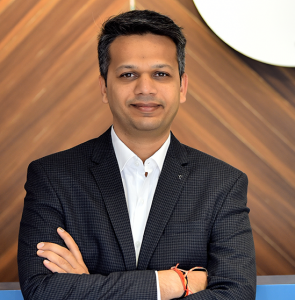
Sawan Laddha — President. Growth Specialist for Startups & MSMEs, Founder, Workie Office Spaces, 22,000+ Seats Delivered, Investor, Founding Member YPO MP, President TiE Madhya Pradesh, Building businesses by unlocking scale space & talent — building Central India’s entrepreneurial ecosystem.