
Central India Supply Chain Innovation: Building Resilience and Sustainability in the Heartland’s Manufacturing Sector
The global economic landscape is undergoing a profound, structural shift. After years of prioritizing lean, just-in-time models, the mandate for businesses worldwide has pivoted sharply towards resilience, agility, and sustainability. For India’s burgeoning startup ecosystem, this presents a unique, high-stakes opportunity, especially for the industrial heartland of Central India. This is the moment for Central India Supply Chain Innovation to move from a regional necessity to a national competitive advantage. Founders in Indore, Bhopal, Jabalpur, and Gwalior are uniquely positioned to solve complex logistics challenges by integrating cutting-edge technology with the state’s strong manufacturing base, transforming the region into a hub for next-generation, sustainable logistics solutions.

What’s Happening: The Global Pivot to Resilient Logistics
The past few years have exposed the fragility of hyper-globalized, single-source supply chains. Geopolitical tensions, climate events, and lingering pandemic after-effects have forced a strategic re-evaluation across industries. Globally, the trend is clear: diversification, regionalization (or ‘re-shoring’), and deep digital integration are non-negotiable for survival and growth. In India, this translates into a massive push to optimize the domestic logistics framework, which historically has been a significant drag on competitiveness. The government’s focus, as articulated through initiatives like the National Logistics Policy (NLP), aims to slash logistics costs from the current 13-14% of GDP down to 8% by 2030 Source Name. This policy mandates an end to transport-related challenges and promotes seamless movement of goods Source Name.
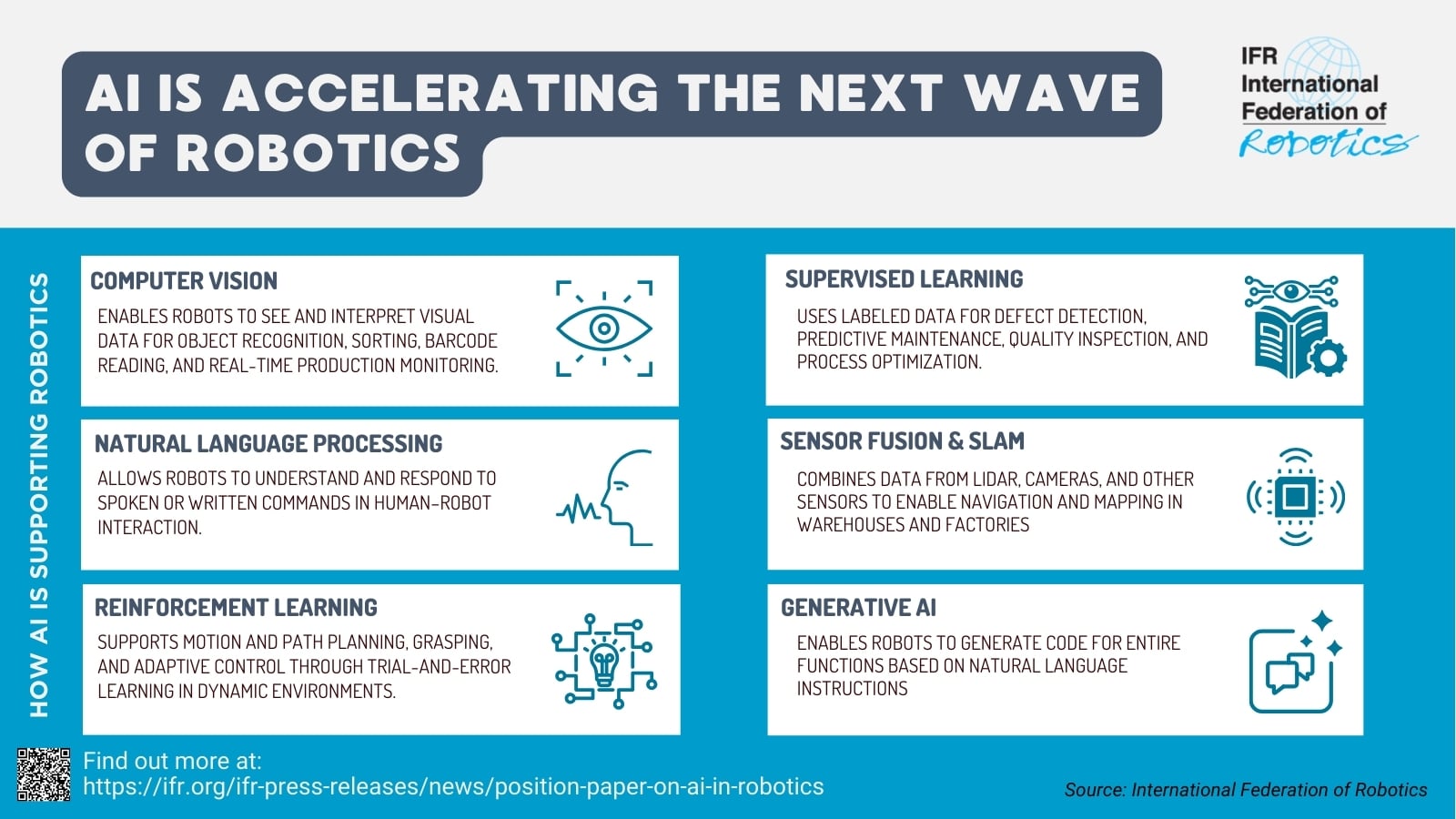
Simultaneously, technology adoption is accelerating. Innovations like AI for demand forecasting, IoT for real-time asset tracking, and blockchain for traceability are moving from pilot projects to core operational necessities Source Name. Furthermore, global shipping giants are recognizing India’s potential, with major investments earmarked for terminal infrastructure and inland logistics to support its projected 8-10% market growth Source Name. This confluence of policy push, technological maturity, and global capital flow creates a fertile ground for local innovators.
The trend is not just about speed; it is about sustainability. Businesses are increasingly demanding greener logistics practices, pushing for electric vehicles and energy-efficient warehousing solutions Source Name. This focus on ESG (Environmental, Social, and Governance) is now a critical factor for attracting patient capital, moving beyond the hype of the past to focus on measurable, long-term impact Source Name.
Why It Matters: De-risking for Founders and Investors
For the entrepreneur in Madhya Pradesh, this shift is a direct invitation to build foundational infrastructure companies, not just consumer-facing apps. The state government has explicitly signaled its intent to back this sector, with plans to support manufacturing startups through the TiE Advantage and a dedicated ₹100 Crore Seed Capital Fund Source Name. This de-risks the initial capital outlay required for hardware, automation, or complex logistics software.
Investors, both domestic and international, are now prioritizing measurable impact and governance Source Name. A startup solving last-mile connectivity in rural Madhya Pradesh or optimizing inventory for a Bhopal-based pharmaceutical manufacturer using verifiable data immediately scores higher on the due diligence checklist than a purely speculative venture. For mentors, this means shifting focus from generalized growth hacking to deep operational expertise—the kind of expertise that builds moats.
The academic community is also aligning. Programs at institutions like the Indian Institute of Management Indore (IIM Indore) are explicitly training executives to master the digitalization of supply chains, focusing on technologies like IOT, AI, and Blockchain to build smarter, resilient, and agile systems Source Name. This signals a ready talent pool for Central India startups to tap into.
How Startups Can Respond: The Resilience Framework
To capitalize on this moment, Central India startups must adopt a structured approach to building resilience and sustainability into their core offering. This is not just about implementing a new software; it’s about a strategic overhaul. We propose the TiE Resilience & Tech Adoption (RTA) Framework for founders looking to build globally competitive supply chain solutions from the heart of India.
| RTA Pillar | Core Technology Focus | Impact on Central India Manufacturing | TiE Mentoring Focus |
|---|---|---|---|
| Resilience (Risk Mitigation) | Predictive Analytics, Multi-sourcing Platforms | Reduces dependency on single-state/national suppliers; anticipates demand shocks. | Risk assessment, scenario planning, and governance structure. |
| Technology (Digitalization) | IoT, Robotics, Digital Twin Modeling | Enables Smart Warehousing in industrial parks like MPSEDC IT Park; reduces manual error. | Technology roadmap validation and vendor selection for complex integration. |
| Agility (Responsiveness) | Control Towers, Real-time Visibility Software | Improves last-mile delivery precision for both B2B and B2C across MP’s diverse geography. | Go-to-market strategy and scaling operations across state lines. |
| Sustainability (ESG Compliance) | Carbon Footprint Tracking, Green Fleet Management | Meets increasing compliance needs for exporting manufacturers; unlocks green financing. | ESG reporting frameworks and long-term capital attraction strategy. |
Founders should look at the global push for diversification Source Name and see it as a direct market opportunity. If global players are moving production to India, they need world-class logistics partners in India. Startups building solutions around the RTA framework are building the essential infrastructure for this next wave of manufacturing growth.
Another critical area is inventory management. The shift from smaller, fragmented storage units to large, centralized, automated logistics parks is underway Source Name. Startups that can provide the software layer to manage these large-scale facilities—optimizing flow, reducing dwell time, and ensuring product integrity—will capture significant value.
Local Lens: Indore, Bhopal, and the Talent Advantage
Madhya Pradesh is not just a recipient of national policy; it is an active participant in shaping its own industrial future. The state’s commitment, evidenced by the MP Startup Policy, is specifically encouraging innovation in manufacturing and services Source Name. This is where the local ecosystem shines.
Indore, with its robust industrial base and the presence of the Crystal IT Park and the Super Corridor, is a natural testing ground for logistics tech. Founders here can partner with established automotive, electronics, and FMCG players to pilot AI-driven inventory systems. The talent pipeline from institutions like IIM Indore, which focuses on digital supply chain strategy incorporating AI and IoT Source Name, provides the necessary analytical horsepower.
In Bhopal, the focus on pharmaceuticals and heavy industry requires specialized, compliant logistics—think cold-chain management and secure transport. Startups addressing these niche, high-value segments can secure long-term contracts. The key for all Central India founders is to think beyond the local market; the solutions developed here must be scalable to the national level, just as the state aims to double its recognized startups to 10,000 Source Name.
As we often say in the TiE network, “Apna kaam, desh ka naam” (Our work brings glory to the nation). By focusing on these hard-tech, foundational problems, Central India startups are building businesses that are both profitable and nationally significant.
Takeaways: A TiE Mentoring Perspective
From a mentorship standpoint, the path forward for founders in this space is clear:
- Focus on Unit Economics of Visibility: Don’t just sell software; sell verifiable cost reduction or risk mitigation. Every feature must tie back to a measurable KPI that impacts the bottom line.
- Leverage State Support Aggressively: Founders must engage with the MP Startup Portal to secure the monthly sustenance allowance and the ₹5 lakh prototype grant Source Name. This capital efficiency is crucial in a selective funding environment.
- Build for the Ecosystem: Look to partner with established players in the MPSEDC Electronics Complex or the industrial areas around Gwalior. Co-creation builds trust and provides invaluable real-world data for product refinement.
- Prioritize Talent Integration: Actively recruit from IIM Indore and IIT Indore graduates who are trained in the very digital SCM concepts you are trying to implement Source Name.
We invite you to engage with the TiE Indore network, whether through our mentorship programs or by attending TiECon MP. The collective experience of our Charter Members is the fastest way to navigate the complexities of scaling a hard-tech, operational business.

Conclusion: The Heartland’s Moment to Lead
The era of building businesses solely on the back of low-cost labor is fading. The new global standard demands efficiency, transparency, and environmental stewardship—all underpinned by robust technology. Central India, with its established manufacturing base, strategic location, and proactive state policies, is perfectly positioned to lead this transformation. The challenges in logistics—fragmentation, high costs, and infrastructure gaps—are simply market failures waiting for entrepreneurial solutions. Founders who master the RTA Framework and leverage the ecosystem support available through TiE Indore will not just build successful companies; they will build the backbone of India’s next industrial revolution.
This is the time to move from aspiration to execution. The world is looking for resilient supply chains, and the answer is being forged right here in the heartland. Let us build it together.
About the Author

Abhishek Sanghvi — Vice President. Founder of Ecosystem Ventures and MD of We Win Limited; MBA, Strategy, Finance & Marketing (Indian Institute of Management Bangalore 2000-2002); Investments, startup mentor and M&A.