
The Logistics Leap: How Central India Founders Can Master Smart Warehousing for Supply Chain Competitiveness
The narrative of India’s economic ascent is increasingly being written not just in Bengaluru’s code or Mumbai’s finance, but along the critical trade corridors that crisscross the heartland. For entrepreneurs in Madhya Pradesh—from the industrial powerhouse of Indore to the growing tech scene in Bhopal—the next frontier for exponential growth lies in mastering the physical movement of goods. The era of fragmented, manual logistics is rapidly giving way to an integrated, data-driven ecosystem, anchored by national infrastructure pushes like PM Gati Shakti and the National Logistics Policy (NLP). This shift presents a generational opportunity for Central India startups to redefine Central India Logistics Competitiveness. This article, guided by the mentorship ethos of TiE, explores how founders can move beyond traditional warehousing to embrace Smart Warehousing, turning logistical friction into a strategic advantage.
The stakes are high. India’s logistics sector, valued at over USD 250 billion, is projected to hit nearly USD 380 billion by 2027, growing at 10–12% annually. For Madhya Pradesh, a state rich in agriculture, manufacturing (Pithampur), and emerging IT/electronics sectors, logistics efficiency is the multiplier for all other industries. Founders must align their strategies with this national momentum, focusing on technology adoption within storage and distribution to build true Supply Chain Resilience.
What’s Happening: The National Logistics Policy and the Rise of Integrated Parks
The transformation is policy-led. The National Logistics Policy (NLP) aims to slash logistics costs to below 8% of GDP, while the PM Gati Shakti platform digitally integrates 16 ministries to ensure infrastructure projects are coordinated and timely. This national push is creating demand for modern infrastructure, particularly in emerging hubs like those in Central India .
The physical manifestation of this is the rise of modern Logistics Parks. These are no longer just clusters of warehouses; they are integrated spaces offering storage, value-added services, light manufacturing, and multimodal cargo movement . For Central India, this means that the efficiency gains from better road/rail connectivity must be matched by efficiency within the warehouse walls.

Simultaneously, technology adoption is accelerating. Innovations in automation, AI, and IoT are enabling faster, more reliable operations . This is the realm of Smart Warehousing, where digital systems manage physical assets, leading to massive productivity gains and reduced lead times.
Why It Matters: The Mentor’s View on Efficiency and Scale
For founders, investors, and mentors associated with TiE Indore, this shift is critical because efficiency directly impacts valuation and survival. In a capital-conscious environment, operational excellence is the new growth metric. A startup that can deliver goods faster, with fewer errors, and at a lower cost per unit, wins market share.
Impact on Founders: Founders in MP, especially those in manufacturing, e-commerce, and even specialized sectors like pharma (given Bhopal’s presence), can no longer rely on legacy 3PL partners. They must either build in-house tech capabilities or partner with next-gen logistics tech providers. The key is leveraging data from their operations to feed back into product development or inventory planning—creating a virtuous cycle of efficiency.
Impact on Investors: Investors are increasingly scrutinizing the ‘last mile’ and ‘middle mile’ costs of a business. A startup with high customer acquisition costs (CAC) due to slow delivery or high return rates (due to poor handling) is less attractive. Startups demonstrating high inventory turnover, low shrinkage, and predictable delivery windows—all enabled by Smart Warehousing—signal operational maturity and attract patient capital.
Impact on Mentors: Mentors need to guide founders away from simply optimizing existing, flawed processes. The guidance must pivot towards system redesign. For instance, instead of optimizing truck routes (a common focus), the focus should shift to optimizing warehouse slotting using AI to reduce the time a picker spends searching for an item, which directly impacts order fulfillment speed.

The shift is also about sustainability. Modern logistics parks are integrating energy-efficient systems and cleaner fuels, aligning with global ESG goals . For MP, this means leveraging solar power for micro-cold storage or using AI for route optimization to cut fuel consumption—a direct win for both the bottom line and the environment.
How Startups Can Respond: Actionable Insights for Central India
The path to enhanced Central India Logistics Competitiveness is paved with technology adoption across the value chain. Founders should focus on asset-light, technology-heavy solutions, as advised by TiE mentors.
- Master the Digital Twin: Implement IoT sensors and Warehouse Management Systems (WMS) that create a real-time digital replica of your inventory and warehouse layout. This allows for predictive maintenance on equipment and dynamic slotting based on real-time order flow.
- Leverage Gati Shakti Data: While Gati Shakti is a government platform, startups can build value-added services on top of it. For example, creating predictive models for freight availability or cost based on the planned infrastructure rollouts in the Delhi–Mumbai Industrial Corridor (DMIC) .
- Focus on Niche Automation: Instead of trying to deploy full-scale robotics immediately, focus on specific pain points. For a Bhopal-based pharma distributor, this might mean investing in automated dispensing or temperature-logging systems, which offer immediate ROI and build expertise in a high-value niche.
- Embrace AI for Demand Forecasting: Move beyond simple historical sales data. Use AI/ML models that incorporate external factors (weather, local festivals, competitor pricing) to create highly accurate demand forecasts, minimizing overstocking and stockouts—the twin killers of working capital.
As one of our mentors often says, “Innovation isn’t just about the product you sell; it’s about the system you use to sell it. If your logistics are slow, your product is slow.” This principle is the core of building Supply Chain Resilience.
Local Lens: Indore, Bhopal, and the Institutional Edge
Central India is perfectly situated to capitalize on this logistics evolution. Indore, with its robust trading history and proximity to major consumption centers, is a natural logistics hub. Bhopal, with its growing industrial base and government presence, offers a strong foundation for tech integration.
MPSEDC IT Park & Crystal IT Park: These zones are fertile ground for logistics tech startups. A company developing a specialized IoT platform for tracking high-value goods (like electronics components manufactured nearby) or a SaaS solution for compliance under the NLP can find the necessary talent and infrastructure here. For instance, a startup incubated at the SGSITS Incubation Centre could focus on developing low-cost sensor technology tailored for the specific humidity and temperature variations of the region.
IIM Indore & IIT Indore: These institutions are crucial for the ‘Expertise’ pillar of EEAT. The AgriHub at IIT Indore, focusing on AI for agriculture, directly intersects with the need for better cold chain logistics for MP’s produce. Founders should actively seek collaborations here to build models that are scientifically validated and scalable. IIM Indore’s focus on operations management and strategy provides the perfect testing ground for new logistics frameworks.
Local Success Stories: Companies like Infobeans or Systango, with their deep software engineering capabilities, can pivot to build the complex WMS or AI forecasting engines required by the sector. Furthermore, local coworking spaces like Workie Office Spaces are seeing an influx of logistics tech firms setting up lean operations, proving that the ecosystem is ready to support asset-light logistics innovators.
For the local entrepreneur, the message is clear: Don’t wait for the national parks to be fully built. Start building the software that will manage the flow of goods into and out of those parks today. As we say in the region, “Apna kaam, apno se shuru karo” (Start your work with your own people/region), and the TiE Indore network is here to support that beginning.
Takeaways: TiE Mentoring Perspective on Building a Resilient Future
The transition to a modern logistics ecosystem requires a mindset shift, which is where TiE’s Mentoring pillar becomes invaluable. Here are the key takeaways for founders:
Logistics Tech Startup KPI Benchmarks for Central India
| Metric | Traditional Benchmark | Smart/AI Target |
|---|---|---|
| Order Cycle Time (Warehouse to Dispatch) | 4-6 Hours | |
| Inventory Accuracy (Cycle Count) | 90% – 95% | > 99.5% |
| Warehouse Space Utilization | 65% – 75% | > 85% (via AS/RS/Dynamic Slotting) |
| Logistics Cost as % of Revenue | 12% – 15% (for MSMEs) |
Practical Actions:
- Engage with TiE: Attend a TiE Con MP session focused on supply chain or a TiE Nurture cohort to find co-founders or early customers who share this vision.
- Seek Policy Clarity: Understand the specific incentives offered by the MP Startup Policy 2025 for technology adoption in manufacturing and logistics. This is where capital efficiency is unlocked.
- Build for Bharat Logistics: Remember that the solution must work for the Tier-2 and Tier-3 routes connecting Jabalpur and Gwalior to the main hubs. Solutions built only for the Indore Super Corridor will miss the larger market.
This is the time to move from being a consumer of global tech to a creator of localized, efficient logistics solutions. We encourage you to explore becoming a TiE Charter Member to gain direct access to the network of investors and industry leaders who are actively funding this transformation.
Conclusion: Forging the Heartland’s Global Trade Gateway
The global supply chain is diversifying, and India is positioned to be a primary beneficiary. Central India, with its strategic geographic location, is poised to transition from being a mere transit point to a critical node in this new global network. The key to unlocking this potential is not just building more roads, but building smarter warehouses and integrating them seamlessly using data and policy leverage.
The journey to achieving true Central India Logistics Competitiveness is a marathon of disciplined execution, not a sprint of hype. By focusing on Smart Warehousing, embracing the framework of PM Gati Shakti, and relentlessly pursuing operational excellence, Central India founders can build businesses that are not only resilient against global shocks but are also efficient enough to compete on the world stage. The foundation is being laid; it is up to the entrepreneurs of Indore, Bhopal, Jabalpur, and Gwalior to build the future on top of it. Let’s build that future together, mentored by the best, connected by TiE.
For those ready to accelerate their journey from ideation to scale with structured mentorship and unparalleled networking, explore the benefits of joining the TiE Indore ecosystem today. Your blueprint for the future starts here.
About the Author
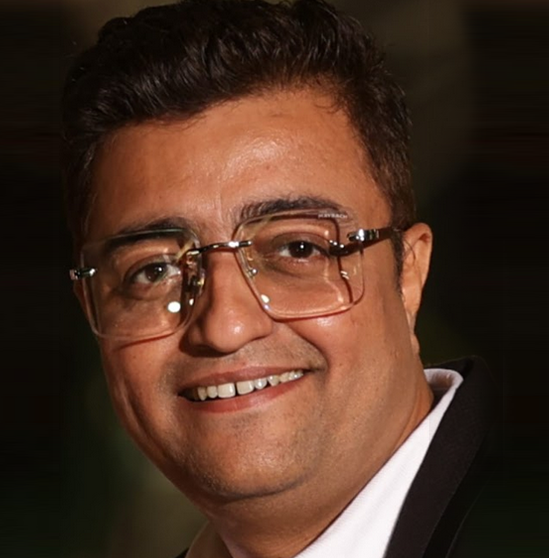
Jay Jain — Past-President. Investor, mentor & Co-founder of Astute Group; focus on early-stage funding and startup governance; Ex President and Board Member TiE; Angel Investor; Mentor; Founder’s Coach; Building Multiple Start-ups from Ideation to Exit for Business Family Houses; Auhor: “Magic of AI in 6 letters & a GSheet!”.