
The AI-Powered Green Leap: How Central India’s Startups are Innovating for a Sustainable Future
The global imperative for sustainability is no longer a distant concern but an immediate call to action. As climate change intensifies and resource scarcity looms, the world is looking towards innovation to forge a path towards a greener future. At the forefront of this transformation is Artificial Intelligence (AI), a powerful enabler that is revolutionizing how we approach environmental challenges. In India, a nation deeply committed to sustainable development and technological advancement, the synergy between AI and green technology is creating unprecedented opportunities for entrepreneurs. Central India, with its burgeoning startup ecosystem and proactive government support, is emerging as a fertile ground for these AI-powered green innovations. Startups in cities like Indore and Bhopal are not just adopting these technologies; they are pioneering solutions that promise to redefine the economic landscape while safeguarding the planet.
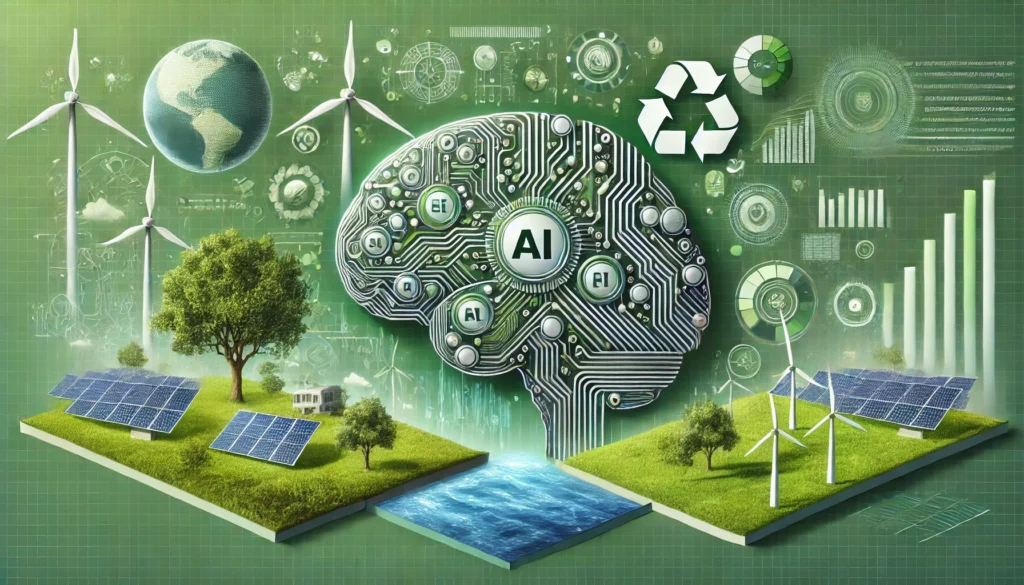
What’s Happening: The Confluence of AI and Sustainability in India
India is rapidly positioning itself as a global leader in leveraging AI for climate action and sustainable development. With ambitious targets, including achieving net-zero emissions by 2070 and scaling renewable energy capacity to 500 GW by 2030, the nation is actively integrating advanced technologies into its green transition. AI is proving instrumental in optimizing renewable energy sources like solar and wind power, enhancing grid management, and improving energy forecasting accuracy, thereby making intermittent sources more reliable. Beyond energy, AI is being deployed to bolster climate resilience through advanced weather forecasting, disaster prediction, and forest surveillance. The agricultural sector, a cornerstone of the Indian economy, is also benefiting immensely, with AI-driven precision farming techniques optimizing resource allocation and improving crop yields while minimizing environmental impact.
The circular economy is another domain where AI is making significant inroads. Startups are utilizing AI-powered computer vision and machine learning for efficient waste sorting, material recovery, and creating transparent marketplaces for recycled goods, thereby reducing landfill burden and enhancing resource utilization. The Indian green technology and sustainability market is projected for substantial growth, expected to reach USD 8,603.2 Million by 2033, with a CAGR of 27.36%, fueled by AI-driven innovation and supportive policies. The government’s commitment is evident through initiatives like the National Green Hydrogen Mission and the IndiaAI Mission, which aim to foster innovation and build robust AI infrastructure. This national push creates a dynamic environment for startups to develop and scale AI-driven sustainable solutions.
Why It Matters: Opportunities for Founders, Investors, and Mentors
The convergence of AI and green technology presents a compelling landscape of opportunities for the entire entrepreneurial ecosystem. For founders, it signifies access to burgeoning markets driven by global sustainability mandates and growing consumer awareness. Startups developing AI-powered solutions for renewable energy management, waste reduction, sustainable agriculture, or carbon capture are tapping into a sector with immense growth potential and positive societal impact. The ability of AI to optimize operations, predict outcomes, and personalize services offers a significant competitive advantage, enabling startups to achieve greater efficiency and scalability.
Investors are increasingly recognizing the value and potential of Environmental, Social, and Governance (ESG) focused ventures. The rise of impact investing and the growing demand for sustainable solutions mean that AI-driven green tech startups are attracting significant attention and capital. The Indian green tech market alone is poised for substantial growth, presenting lucrative opportunities for venture capitalists and angel investors. For mentors and organizations like TiE, this trend offers a chance to guide and nurture a new generation of entrepreneurs who are not only building profitable businesses but also contributing to a healthier planet. By providing expertise in AI implementation, sustainable business models, and market access, mentors can play a crucial role in shaping the success of these vital ventures.
How Startups Can Respond: Leveraging AI for a Greener Tomorrow
Startups looking to capitalize on the AI-powered green leap must strategically integrate AI into their core offerings. Here are key areas where AI can drive sustainable innovation:
- Renewable Energy Optimization: Utilize AI for predictive analytics to forecast solar and wind energy output, optimize grid management, and improve the efficiency of energy storage systems. This can lead to more stable and cost-effective renewable energy deployment.
- Smart Waste Management & Circular Economy: Implement AI-powered computer vision for automated waste sorting, enabling higher purity of recycled materials. Develop AI-driven platforms to track materials through their lifecycle, facilitating reuse, repair, and recycling, thereby closing the loop in product design and consumption.
- Sustainable Agriculture: Deploy AI for precision farming, analyzing soil health, weather patterns, and crop conditions to optimize irrigation, fertilization, and pest control. This reduces resource wastage, minimizes chemical use, and enhances food security.
- Energy Efficiency & Carbon Footprint Reduction: Apply AI to optimize logistics and supply chains for reduced fuel consumption, develop smart building management systems to minimize energy usage, and implement AI in industrial processes for carbon capture and emission reduction.
- Climate Resilience & Disaster Management: Develop AI models for early warning systems for extreme weather events, monitor environmental changes like deforestation or sea-level rise, and create tools for adaptive urban planning.
The key is to identify specific environmental challenges that can be addressed with AI-driven solutions, focusing on scalability and measurable impact. By understanding the capabilities of AI, startups can unlock new business models that are both profitable and planet-positive.
:max_bytes(150000):strip_icc()/GettyImages-2174080781-508c0aae85a94ae6a7c4f9c303eae4f1.jpg)
Local Lens: Central India’s Growing Green Tech and AI Ecosystem
Central India, particularly Madhya Pradesh, is rapidly emerging as a significant hub for innovation in AI and green technology. Cities like Indore and Bhopal are shedding their ‘Tier-2’ status and transforming into vibrant centers for startups, supported by proactive government policies and a growing network of incubators and accelerators. The Madhya Pradesh government has set an ambitious goal to double its number of registered startups to 10,000 within five years, backed by a dedicated ₹100 crore seed capital fund, signaling a strong commitment to fostering entrepreneurship, especially in future-oriented sectors like green tech and AI.
Premier institutions such as IIM Indore and IIT Indore are contributing significantly by fostering research, developing talent, and promoting an entrepreneurial mindset crucial for deep tech and sustainability ventures. TiE Indore plays a pivotal role in this ecosystem, offering mentorship, networking opportunities through events like TiECon MP, and supporting women entrepreneurs through its TiE Women MP initiative. Local examples like EcoPack Industries in Indore, which manufactures biodegradable packaging solutions, and Kha Digi in Bhopal, focusing on sustainable textiles, demonstrate the practical application of green principles by Central Indian startups. These initiatives, combined with a growing focus on smart city infrastructure and renewable energy projects, create a fertile ground for AI-driven green tech startups to thrive and contribute to a sustainable future. It’s a testament to the spirit of ‘Harit Kranti ki Ore Badhte Kadam’ – steps towards the Green Revolution.

Structured Element: AI Applications in Central India’s Green Tech Startups
The integration of AI into green technology is creating diverse opportunities for startups in Central India. Here’s a look at key application areas:
| Application Area | AI Technology | Impact | Central India Relevance |
|---|---|---|---|
| Renewable Energy Management | Predictive analytics, ML for forecasting | Improved grid stability, reduced wastage, optimized output | Leveraging solar potential in MP, smart grids |
| Waste Management & Circular Economy | Computer Vision, ML for sorting | Higher purity of recycled materials, reduced landfill, increased value | Indore’s waste management initiatives, potential for AI-driven recycling hubs |
| Sustainable Agriculture | ML for crop monitoring, predictive analytics | Increased yields, reduced resource use (water, pesticides), soil health | MP’s agricultural base, precision farming adoption |
| Carbon Footprint Reduction | Route optimization, energy efficiency algorithms | Lower emissions in logistics, optimized energy consumption | Supporting manufacturing sector in MP |
Takeaways: The TiE Mentoring Perspective
From a TiE mentoring perspective, the journey of AI-powered green tech startups in Central India is one of immense potential, but it requires strategic guidance. Founders must focus on building interdisciplinary teams that combine expertise in AI, environmental science, and business development. Understanding the policy landscape, including state-specific incentives for green tech and AI adoption, is crucial for leveraging government support and grants. Seeking mentorship from experienced entrepreneurs and industry experts through platforms like TiE Indore can provide invaluable insights into navigating technical challenges, refining business models, and accessing capital. Practical actions for aspiring founders include attending TiE workshops and networking events, connecting with mentors who have experience in deep tech or sustainability, and exploring incubation programs offered by institutions like IIT Indore or local incubators. The emphasis should always be on developing solutions that are not only technologically sound but also economically viable and socially impactful.
Conclusion: A Sustainable Future Powered by Innovation
The integration of Artificial Intelligence into the green technology sector is not merely a trend; it is a fundamental shift that is reshaping industries and driving sustainable development. Central India, with its dynamic startup ecosystem, supportive policies, and a growing pool of talent, is perfectly positioned to lead this AI-powered green leap. By embracing AI, startups in Indore, Bhopal, and across Madhya Pradesh can develop innovative solutions that address critical environmental challenges, create economic value, and contribute to a more sustainable and prosperous future for India and the world. The path forward requires collaboration, continuous learning, and a commitment to harnessing technology for the greater good. Engaging with organizations like TiE Indore can provide the necessary support, network, and mentorship to turn these ambitious visions into reality. The time is now for Central India’s entrepreneurs to lead the charge in building a greener, smarter, and more sustainable tomorrow.
About the Author

Amit Agrawal — Treasurer. Treasurer: Founder & COO of Cyber Infrastructure (P) Ltd. “CIS”; champion of AI-Enabled, tech-driven, global solutions and entrepreneurship; AI-First Mid-Sized Software Partner Scaling Enterprise Innovation; MIT & IIM Alum; Author: Scaling in the Age of AI; Featured in: Forbes, YourStory, TiE; Patented-Innovator; Mentor; Investor.