
AI-Driven Customer Journey Mapping: Personalizing Experiences for Central India’s MSMEs
In today’s hyper-competitive business landscape, understanding and catering to individual customer needs is no longer a luxury but a necessity for survival and growth. For Micro, Small, and Medium Enterprises (MSMEs) in Central India, the challenge of deeply understanding their customer base and delivering tailored experiences has been significant. However, the advent of Artificial Intelligence (AI) is democratizing sophisticated tools, enabling even the smallest businesses to map intricate customer journeys and craft hyper-personalized interactions. This shift is pivotal for entrepreneurs in Indore, Bhopal, and across Madhya Pradesh, offering a powerful pathway to build lasting customer loyalty and achieve sustainable scale.

The Evolving Landscape of Customer Understanding
Traditionally, understanding customer journeys involved manual data collection, surveys, and educated guesswork. While effective to a degree, these methods often lacked the granularity and real-time insights needed to truly personalize interactions. The digital age has amplified customer expectations; consumers now expect brands to know them, anticipate their needs, and offer relevant solutions at every touchpoint. This is where AI steps in, transforming how businesses can not only map but also dynamically shape the customer journey.
Globally, AI is revolutionizing customer experience. Reports indicate a significant increase in AI adoption by businesses to enhance personalization. For instance, Adobe’s 2026 AI and Digital Trends Report highlights that 60% of Indian consumers are interested in personal AI agents, with many using AI for personalized product recommendations and instant customer support. This consumer demand underscores the imperative for businesses, especially MSMEs, to leverage AI. In India, the market for AI is projected to reach $8 billion USD by 2025, with MSMEs increasingly adopting AI for customer support, marketing, and operational efficiency. This trend is not confined to metros; tier-2 cities are also seeing a surge in AI adoption, driven by the need for cost-effective, scalable solutions.
AI-powered personalization goes beyond simply addressing a customer by name. It involves analyzing vast datasets—from website interactions and purchase history to social media sentiment and support queries—to understand individual preferences, predict future behavior, and tailor every communication and offer. This deep understanding allows businesses to create a seamless, relevant, and engaging experience across all stages of the customer lifecycle, from initial awareness to post-purchase advocacy.
Why AI-Driven Journey Mapping Matters for Central India’s MSMEs
For MSMEs in Central India, embracing AI-driven customer journey mapping offers a significant competitive advantage. It moves businesses from a one-size-fits-all approach to a highly individualized strategy, which is crucial for building strong customer relationships and driving revenue.
Enhanced Customer Satisfaction and Loyalty: By understanding each customer’s unique path, pain points, and preferences, businesses can proactively address needs and offer solutions that resonate. This leads to a more positive customer experience, fostering loyalty and repeat business. Research shows that personalized experiences can significantly increase customer satisfaction scores.
Increased Conversion Rates and Revenue: A well-mapped and personalized journey guides customers more effectively towards a purchase. AI can identify moments of hesitation or opportunity, allowing businesses to intervene with targeted offers or information, thereby boosting conversion rates and overall sales.
Reduced Customer Churn: AI can predict potential customer churn by analyzing behavioral patterns and identifying early warning signs. This allows businesses to intervene with retention strategies before a customer decides to leave, saving valuable client relationships.
Optimized Marketing Spend: Instead of broad, untargeted campaigns, AI enables hyper-targeted marketing efforts. By understanding which touchpoints are most effective for different customer segments, MSMEs can allocate their marketing budgets more efficiently, achieving a higher return on investment.
Data-Driven Decision Making: AI transforms raw data into actionable insights. This empowers founders and decision-makers to move beyond intuition and make informed choices about product development, marketing strategies, and customer service improvements.
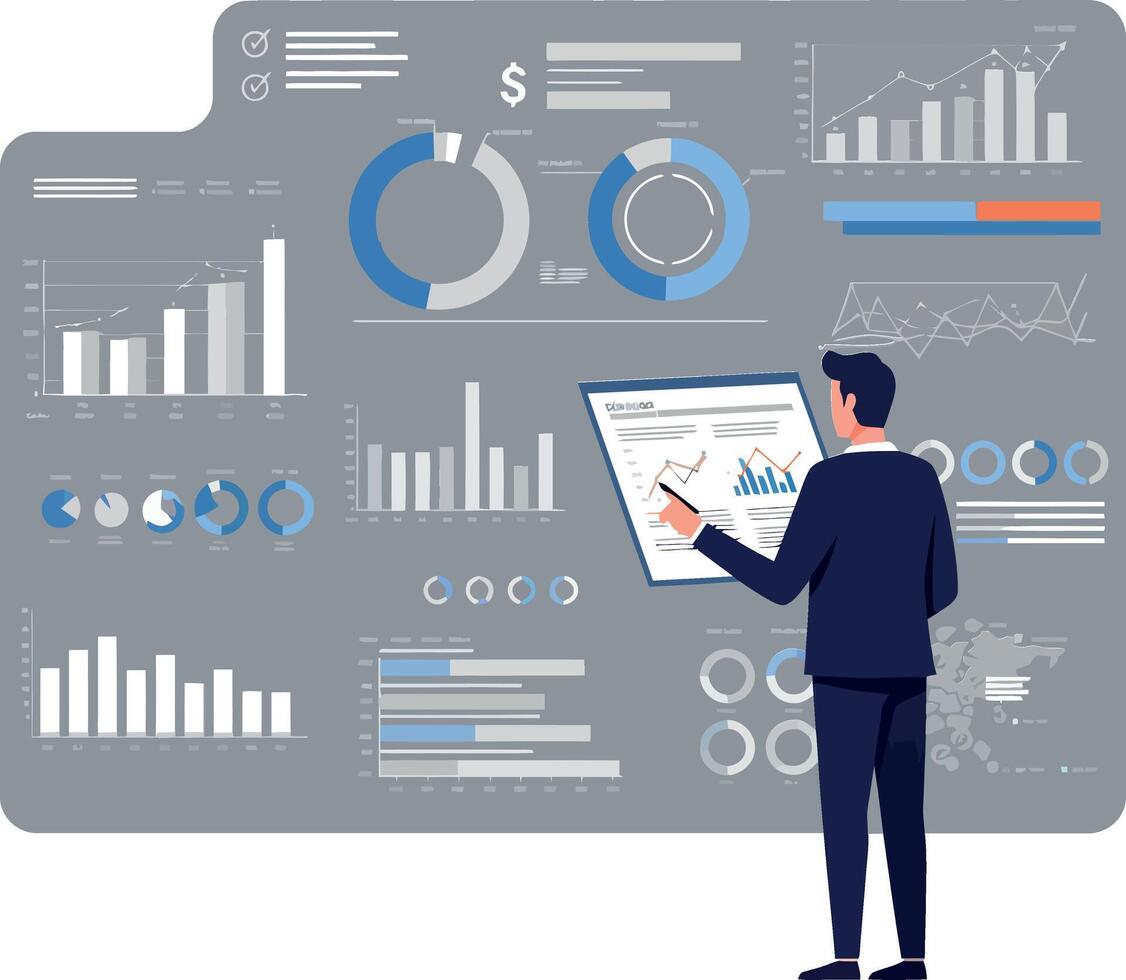
How Central India’s Startups Can Implement AI-Driven Journey Mapping
The journey to AI-driven personalization might seem daunting, but it can be approached strategically, even for resource-constrained MSMEs in Central India. The key is to start small, focus on specific goals, and leverage accessible tools.
1. Define Clear Objectives: Before diving into AI tools, identify what you want to achieve. Are you looking to reduce customer support wait times, increase repeat purchases, or improve lead conversion? Clear objectives will guide your AI strategy.
2. Understand Your Data: AI thrives on data. Assess what customer data you currently collect (e.g., website analytics, CRM data, sales records, social media interactions) and identify gaps. Ensure your data is clean, organized, and accessible.
3. Choose the Right AI Tools: The market offers a range of AI-powered tools for customer journey mapping and personalization. Many are designed for SMEs and offer user-friendly interfaces and affordable subscription models. Look for tools that offer:
- Customer Data Platforms (CDPs): To unify customer data from various sources.
- AI-powered Analytics: To identify patterns, segment customers, and predict behavior.
- Personalization Engines: To dynamically tailor content, offers, and recommendations.
- Chatbots and Virtual Assistants: For automated, 24/7 customer support and engagement.
Platforms like Zoho CRM, Salesforce Einstein, and specialized AI marketing tools are increasingly integrating these capabilities, making them accessible to Indian businesses.
4. Start with a Pilot Project: Don’t try to overhaul your entire customer journey at once. Select one specific segment or touchpoint for your initial AI implementation. For example, use an AI chatbot to handle frequently asked questions on your website or implement personalized product recommendations on your e-commerce platform.
5. Focus on Ethical AI and Transparency: As AI becomes more integrated, trust is paramount. Be transparent with your customers about how you collect and use their data. Ensure compliance with data privacy regulations and prioritize ethical AI practices. This builds long-term credibility.
6. Iterate and Scale: Continuously monitor the performance of your AI initiatives. Analyze the data, gather feedback, and refine your strategies. As you see success, gradually expand your AI implementation to other parts of the customer journey.
Local Lens: Indore, Bhopal, and the MP Ecosystem
Central India, with its burgeoning startup ecosystem, is ripe for AI-driven innovation. Cities like Indore and Bhopal are becoming hubs for technological adoption, supported by state policies and educational institutions. The MP Startup Policy, coupled with infrastructure like the MPSEDC IT Park and Crystal IT Park in Indore, provides a fertile ground for MSMEs to explore advanced technologies.
Institutions such as IIM Indore and IIT Indore are nurturing a talent pool equipped with the skills needed to implement and manage AI solutions. Incubators like AIC-PRESTIGE and IITI DRISHTI are actively supporting startups in emerging tech areas, including AI. For entrepreneurs in Madhya Pradesh, this local ecosystem offers access to expertise, talent, and a supportive network. TiE Indore itself plays a crucial role in connecting founders with mentors and resources, fostering an environment where such advanced strategies can be adopted and scaled.
Consider a textile manufacturer in Indore’s Siyaganj Market using AI to analyze past sales data and predict demand for specific fabrics, thereby optimizing inventory and reducing waste. Or a Bhopal-based e-commerce startup employing AI-powered chatbots to provide instant, personalized customer support in Hindi, enhancing customer satisfaction and freeing up human agents for complex issues. These are not distant possibilities but tangible applications that can be implemented today.
The rise of agentic AI, where AI agents can plan, decide, and complete multi-step tasks with minimal human input, presents an even greater opportunity. For instance, AI agents can automate invoice processing, manage customer onboarding, or even conduct preliminary market research, significantly boosting efficiency for small businesses.
A Glimpse into AI-Powered Journey Mapping: Traditional vs. AI-Driven
| Feature | Traditional Journey Mapping | AI-Driven Journey Mapping |
|---|---|---|
| Data Source | Surveys, focus groups, basic analytics | Comprehensive data from all touchpoints (web, app, CRM, social, support) |
| Analysis | Manual, qualitative, often static | Automated, quantitative, real-time, predictive |
| Personalization | Segment-based, limited | Individual-level, dynamic, hyper-personalized |
| Insights | Retrospective, descriptive | Predictive, prescriptive, actionable |
| Scalability | Limited, labor-intensive | Highly scalable, efficient |
| Outcome | General understanding of customer behavior | Deep, granular understanding and proactive engagement |
Takeaways: The TiE Mentoring Perspective
From a TiE mentoring standpoint, the adoption of AI-driven customer journey mapping is about empowering entrepreneurs with the tools to build stronger, more resilient businesses. Our mentors emphasize a pragmatic approach:
- Start with the ‘Why’: Understand the business problem you’re trying to solve before selecting technology.
- Embrace Data as an Asset: Invest in collecting and organizing customer data; it’s the fuel for AI.
- Leverage Accessible Tools: Many powerful AI solutions are now affordable and user-friendly for SMEs.
- Prioritize Customer Trust: Transparency and ethical data handling are non-negotiable for long-term success.
- Continuous Learning is Key: The AI landscape is evolving rapidly; stay curious and adapt.
TiE Indore is committed to guiding entrepreneurs through this technological evolution, offering mentorship and networking opportunities to navigate the complexities of AI adoption. We encourage founders to explore how these advanced strategies can be tailored to their unique business contexts.

Conclusion: Charting a Personalized Future
The integration of AI into customer journey mapping is not just a technological advancement; it’s a fundamental shift in how businesses connect with their customers. For MSMEs in Central India, this presents an unprecedented opportunity to level the playing field, compete with larger enterprises, and build deeply personalized relationships that drive loyalty and growth. By understanding the customer journey through the lens of AI, entrepreneurs in Indore, Bhopal, and across Madhya Pradesh can unlock new avenues for innovation and success. As Dr. Mayur Sethi often advocates, embracing digital marketing and growth innovation is crucial for staying ahead. The future of customer engagement is personal, data-driven, and powered by AI – and Central India’s entrepreneurs are well-positioned to lead the way.
“Apna vyavasaay badhaavo, AI se jud jaao!” (Grow your business, connect with AI!)
About the Author

Dr. Mayur Sethi — General Secretary. Founder & Director of AdvertiCe/YellowDigi; Champions of Change Awardee, Serial Entrepreneur, Digital Media & Marketing Leader, StartUp Ecosystem Catalyst, 50 Under 50 Marketing Professional, 40 Under 40 Disruptive Minds; advocate for digital marketing and growth innovation.