
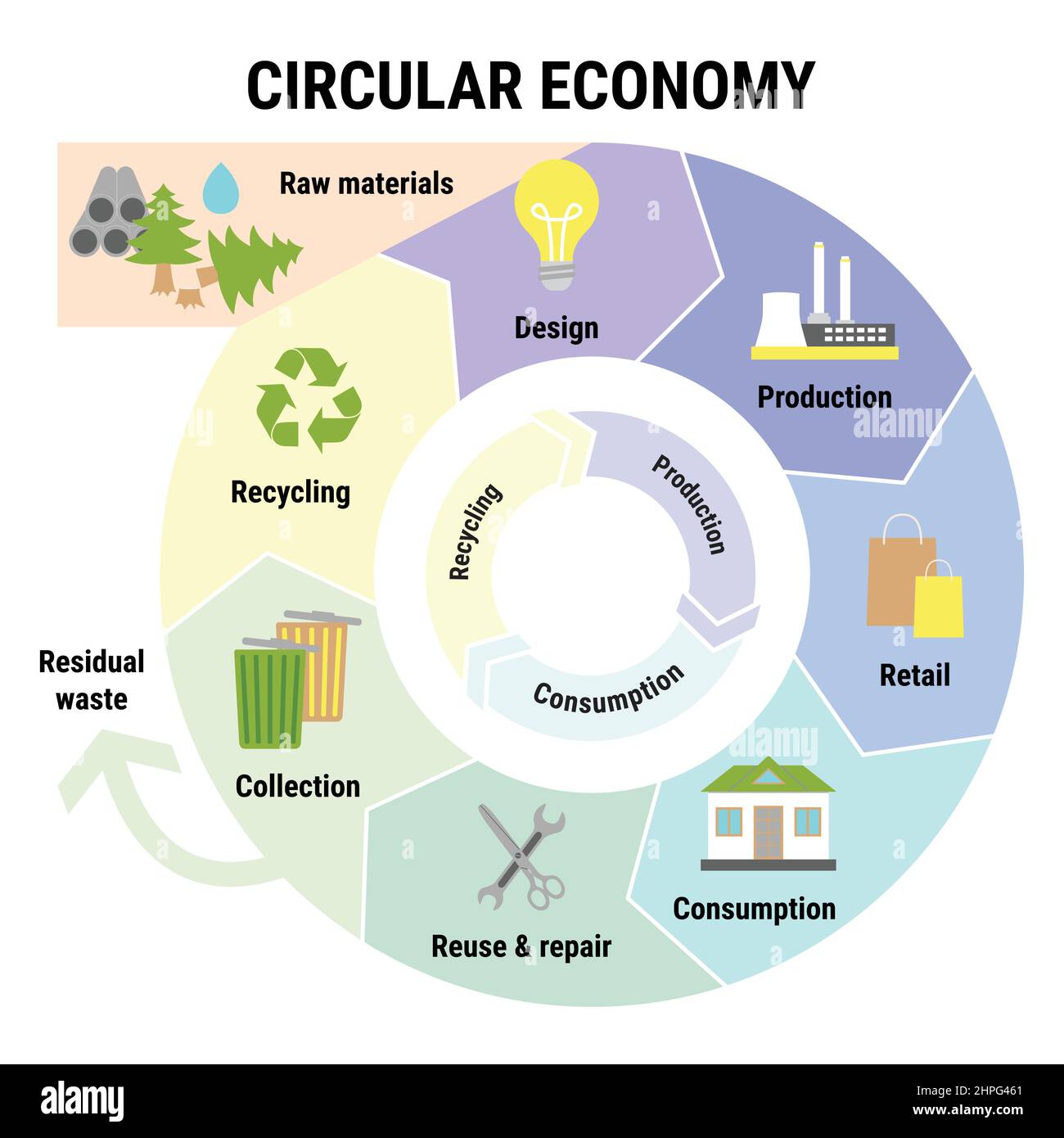
The global economic landscape is undergoing a profound transformation, shifting from a linear ‘take-make-dispose’ model to a more regenerative and sustainable circular economy. This paradigm shift is not just an environmental imperative but also a significant economic opportunity. In the heart of India, Central India’s entrepreneurial ecosystem is increasingly embracing this change, with a burgeoning number of sustainable startups pioneering innovative circular economy models. These ventures are not only addressing critical environmental challenges but are also driving economic growth, creating jobs, and positioning the region as a leader in green innovation.
This article delves into the dynamic world of sustainable startups in Central India, exploring how they are leveraging circular economy principles to build resilient businesses, attract investment, and contribute to a greener future. We will examine the current trends, the impact on founders and investors, actionable strategies for startups, and the unique local context of Indore, Bhopal, and the wider Madhya Pradesh region.
What’s Happening: India’s Pivot to a Circular System
India is at the forefront of a global movement towards sustainability, with a growing emphasis on circular economy principles. The nation’s commitment to achieving net-zero emissions by 2070 and its ambitious renewable energy targets are creating a strong policy tailwind for green ventures. NITI Aayog estimates that circular economy practices could unlock trillions of dollars in economic value nationwide. This transition is driven by a confluence of factors: increasing environmental awareness, stringent government regulations, and a growing demand for sustainable products and services from consumers and investors alike.
The Indian startup ecosystem is actively responding to this call. As of 2024, close to 400 startups across India are engaged in sustainable waste management, green technology, and circular economy solutions, attracting significant investment. While the overall funding landscape for startups saw fluctuations, the green tech and sustainability sectors have shown remarkable resilience and growth. Reports indicate that circular economy startups in India have attracted substantial investment, with a focus on innovative recycling methods, product-as-a-service models, and sharing economy platforms. This indicates a maturing market where sustainability is no longer a niche concern but a core business strategy.
The Madhya Pradesh government is also actively promoting green initiatives and policies. The Renewable Energy Policy 2025 aims to make the state a hub for renewable energy manufacturing and adoption, focusing on green cities, jobs, and innovation. Furthermore, the state has introduced policies to attract green investors, offering financial support for green industrialization and subsidies for clean energy manufacturing. These policy interventions are crucial in fostering an environment where sustainable startups can thrive.

Why It Matters: Impact on Founders, Investors, and the Ecosystem
The rise of sustainable startups and the adoption of circular economy principles have profound implications for all stakeholders within the entrepreneurial ecosystem. For founders, this shift unlocks vast new territories for innovation. The challenges of waste management in sectors like electronics, plastics, agriculture, and construction are ripe for disruption. Startups that can develop scalable solutions for resource recovery, product life extension, and waste-to-energy conversion are poised for significant growth. This focus on sustainability also aligns with the growing global demand for ESG (Environmental, Social, and Governance) compliant portfolios, giving these ventures a distinct advantage in attracting capital.
Investors are increasingly recognizing the long-term value and resilience of sustainable businesses. Impact investing, which aims to generate positive social or environmental impact alongside financial returns, is gaining significant traction in India. This trend is driven by a growing awareness of global challenges like climate change and resource scarcity, as well as the understanding that sustainable companies often exhibit better risk management and long-term profitability. The Madhya Pradesh Startup Policy 2025, with its focus on fostering innovation and providing financial incentives, further supports this ecosystem by reducing the founder’s initial capital burden and creating clear pathways for growth.
For the broader ecosystem, sustainable startups contribute to a cleaner environment, conserve natural resources, and create green jobs. Institutions like IIT Indore are actively contributing through research in sustainable waste management and developing new academic programs in sustainability. TiE Global itself champions sustainability through initiatives like the GreenFlame campaign and the TiE Sustainability Summit, encouraging a global entrepreneurial culture of environmental responsibility. TiE Madhya Pradesh also actively promotes green initiatives through events like the Green Climate Conclave, positioning Indore as a hub for environmental commodity markets. This collective effort fosters a more robust and future-ready entrepreneurial landscape.
How Startups Can Respond: Actionable Insights for Central India
Entrepreneurs in Central India have a significant opportunity to tap into the circular economy by focusing on value creation beyond simple waste collection. Several high-impact avenues offer fertile ground for innovation:
- E-Waste and Battery Recycling: With the rapid proliferation of electronics and electric vehicles, managing e-waste and batteries is critical. Startups can develop advanced recycling processes to extract valuable materials, creating closed-loop systems. Companies like Attero and Recyclekaro are already demonstrating success in this domain.
- Plastics and Packaging Innovation: The global push to phase out single-use plastics creates a massive demand for biodegradable, reusable, and compostable packaging solutions. Startups can focus on developing new materials or establishing efficient reverse logistics platforms for managing packaging waste. Bambrew, for instance, creates compostable packaging from various materials.
- Agricultural Waste Valorization: Madhya Pradesh, being an agrarian state, has immense potential in processing agricultural waste. Converting crop residue, husks, and other bio-waste into biofuels, organic fertilizers, or sustainable materials can create new revenue streams and reduce environmental pollution.
- Sustainable Construction Materials: The construction sector is a major consumer of resources and a significant waste generator. Startups can develop eco-friendly building materials using recycled waste like fly ash or plastic, catering to the growing demand for green construction.
- Product-as-a-Service (PaaS) and Sharing Economy Models: Instead of selling products, startups can offer them as a service, focusing on durability, repair, and refurbishment. Platforms facilitating the sharing or renting of goods, such as machinery or equipment, also contribute to resource optimization and waste reduction.
To succeed, startups must embrace technology, such as AI and blockchain, for supply chain traceability and efficiency. They should also focus on building robust reverse logistics networks, as efficient collection and processing are often the biggest hurdles. Understanding and complying with environmental regulations is paramount, given the highly regulated nature of waste management and sustainability sectors.
The Madhya Pradesh Startup Policy 2025 offers various incentives, including seed grants, assistance on investment received, and patent assistance, which can significantly support startups in these areas. For instance, patent assistance of up to ₹5 Lakhs can help protect innovative green technologies.
Local Lens: Indore, Bhopal, and the MP Ecosystem
Central India, particularly Madhya Pradesh, is emerging as a fertile ground for sustainable innovation. Indore, known for its cleanliness initiatives, provides a natural ecosystem for waste management and circular economy startups. The city’s robust support system, including incubators like AIC-Prestige Inspire Foundation and AIC-SGSITS, offers a critical launchpad for early-stage green-tech ventures. The Green Climate Conclave 2025, held in Indore, highlighted the city’s potential to become the ‘Carbon Credit Capital of India,’ showcasing its pioneering role in environmental commodity markets.
Bhopal is also contributing significantly, with institutions like the Atal Incubation Centre fostering innovation. The city’s focus on smart city infrastructure creates opportunities for startups in sustainable mobility and green buildings. Furthermore, initiatives like ‘The Kabadiwala’ highlight the crucial role of waste management and recycling in the region. Kha Digi, a Bhopal-based social enterprise, exemplifies sustainable textile craft, using eco-friendly materials and supporting local artisans.
Premier institutions like IIM Indore and IIT Indore are playing a pivotal role in nurturing talent and driving research in sustainability. IIT Indore has launched India’s first B.Tech program in Environmental Economics and Sustainable Engineering, establishing Centres of Excellence for Energy Systems, Environmental Economics, and Water & Climate Studies. These academic hubs are creating a pipeline of skilled professionals and fostering an entrepreneurial mindset crucial for the green economy.
The Madhya Pradesh government’s commitment, through policies like the MP Startup Policy 2025 and the Renewable Energy Policy 2025, provides a strong foundation for these startups. These policies offer financial assistance, incentives for green industrialization, and support for new technologies, creating an enabling environment for entrepreneurs to innovate and scale. The state’s vision for ‘Make in Madhya Pradesh’ aligns perfectly with the green agenda, encouraging local manufacturing of sustainable products.
For aspiring entrepreneurs in Central India, leveraging these local strengths—academic institutions, government support, and a growing awareness of sustainability—is key to building successful circular economy ventures. As Sawan Laddha, President of TiE Indore, emphasizes, building Central India’s entrepreneurial ecosystem involves unlocking scale, space, and talent, which directly applies to the burgeoning green sector.

Takeaways: A TiE Mentoring Perspective
From a TiE mentoring perspective, the journey of sustainable startups in Central India is one of immense potential, guided by principles of innovation, resilience, and community impact. Our experience shows that founders in this space need to:
- Embrace Design for Circularity: Products should be designed for longevity, repairability, and easy disassembly, ensuring materials can be effectively recovered and reused. This requires a shift in thinking from linear product lifecycles to closed-loop systems.
- Build Robust Reverse Logistics: Establishing efficient systems for collecting, sorting, and processing used products and materials is often the most challenging aspect. Leveraging technology and strategic partnerships is crucial for success in this area.
- Master the Regulatory Landscape: The sustainability and waste management sectors are heavily regulated. Founders must stay abreast of environmental laws, compliance requirements, and government incentives to navigate the landscape effectively.
- Focus on Value Creation, Not Just Waste Management: The true opportunity lies in transforming waste streams into valuable resources or services. This requires innovative business models that create economic value while delivering environmental benefits.
- Leverage Ecosystem Support: Organizations like TiE Indore provide invaluable mentorship, networking opportunities, and access to funding. Engaging with incubators, accelerators, and industry bodies can significantly accelerate growth and overcome challenges. TiE’s commitment to nurturing transformative ideas for economic growth and societal change is particularly relevant for the sustainability sector.
The TiE Women initiative also plays a crucial role in empowering women entrepreneurs in the sustainability sector, providing them with the necessary learning, mentoring, and funding opportunities. By focusing on these practical actions and leveraging the support available, startups in Central India can build businesses that are not only profitable but also contribute positively to society and the environment.
Conclusion: Central India’s Green Dawn
The transition to a circular economy is no longer a distant vision but a present reality, and Central India is poised to play a significant role in this transformation. The growing number of sustainable startups, supported by progressive government policies and a vibrant academic and entrepreneurial ecosystem, signals a promising future for the region. These ventures are demonstrating that profitability and sustainability are not mutually exclusive but are, in fact, intrinsically linked for long-term success.
As India strives towards its net-zero goals and champions sustainable development, the innovations emerging from cities like Indore and Bhopal will be critical. By embracing circular economy principles, fostering green technologies, and leveraging the collective strength of the entrepreneurial community, Central India is setting a powerful example for the rest of the nation. The journey ahead requires continued innovation, strategic partnerships, and a steadfast commitment to building a resilient and prosperous future for all. This is the dawn of a green economy in Central India, driven by visionary entrepreneurs ready to make a lasting impact.
About the Author
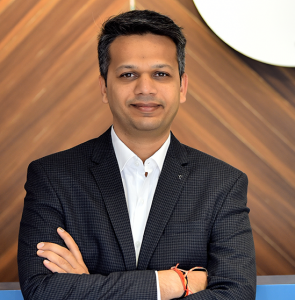
Sawan Laddha — President. Growth Specialist for Startups & MSMEs, Founder, Workie Office Spaces, 22,000+ Seats Delivered, Investor, Founding Member YPO MP, President TiE Madhya Pradesh, Building businesses by unlocking scale space & talent — building Central India’s entrepreneurial ecosystem.