
Introduction: Thawing a Multi-Billion Dollar Problem
In the fertile heartland of India, a quiet crisis unfolds every harvest season. An estimated ₹92,000 crore (over $11 billion) is lost annually due to inadequate and broken food supply chains. For a nation that is the world’s second-largest producer of fruits and vegetables, this isn’t just a statistic; it’s a colossal waste of resources, a loss of income for millions of farmers, and a threat to food security. The primary culprit is the lack of a seamless, technology-driven cold chain—the temperature-controlled lifeline that should carry produce from farm to fork. But now, a new wave of entrepreneurs and tech innovators, particularly from Central India’s rising hubs like Indore and Bhopal, are stepping up to tackle this challenge. They are building the smart, resilient, and efficient cold chain infrastructure that promises not just to save food, but to revolutionize the agricultural economy of Madhya Pradesh and beyond.
What’s Happening: A Market on the Rise
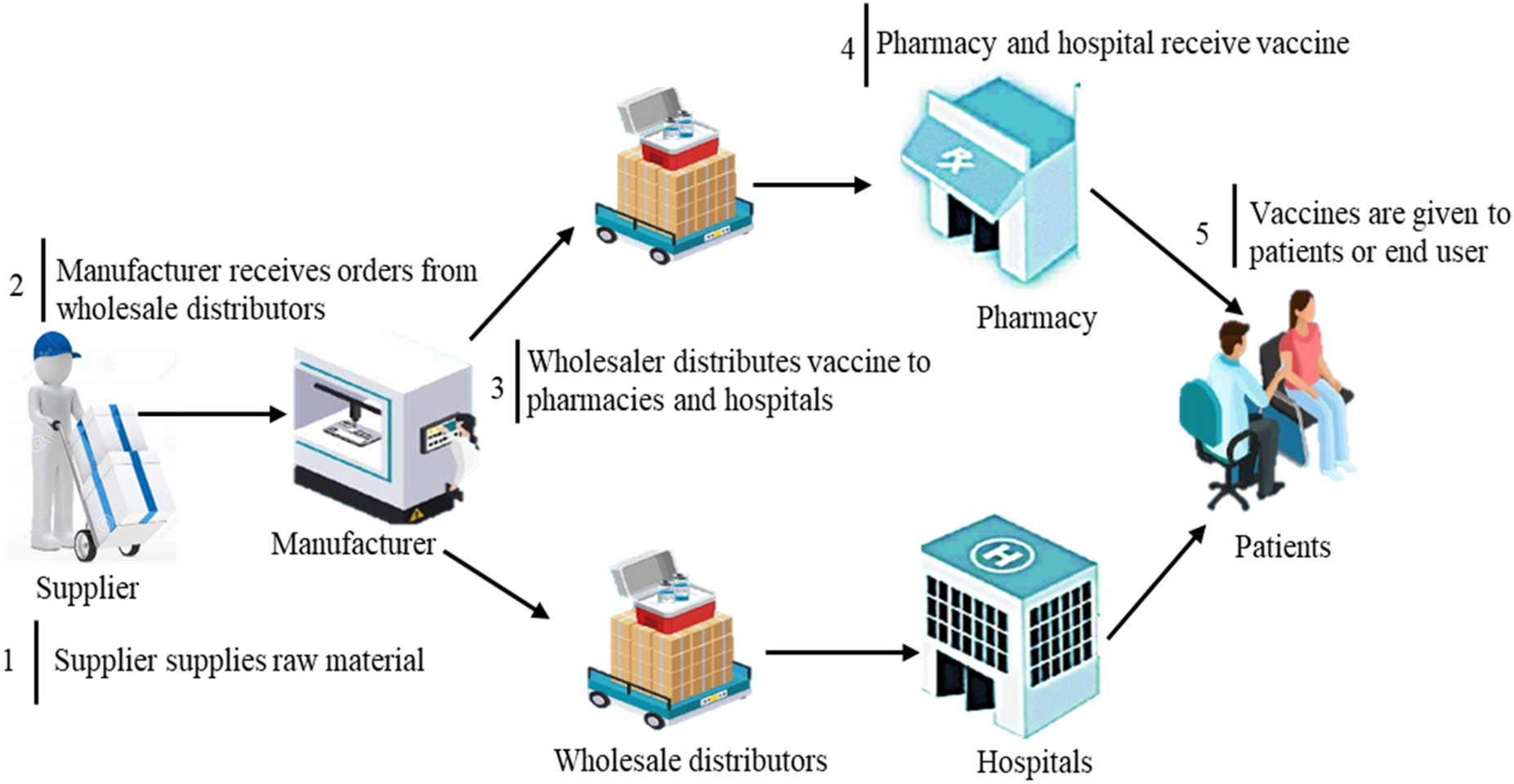
The cold chain logistics sector in India is experiencing unprecedented growth, transforming from a fragmented, commodity-based service into an integrated, technology-first industry. The market, valued at approximately USD 4.7 billion in 2024, is projected to surge to over USD 12.1 billion by 2030, growing at a compound annual growth rate (CAGR) of over 17%. This acceleration is fueled by several key factors: rising consumer demand for fresh and frozen foods, the boom in online grocery and quick commerce, and the critical need for temperature-sensitive handling of pharmaceuticals—a sector where India is a global leader. Government initiatives like the Pradhan Mantri Kisan SAMPADA Yojana and allowing 100% FDI in the sector have further catalyzed private investment, encouraging the development of modern infrastructure. Technology is at the heart of this transformation, with startups deploying IoT sensors for real-time temperature monitoring, AI for demand forecasting and route optimization, and automation in warehousing to enhance efficiency and reduce operational costs.
Why It Matters: The Ripple Effect of a Connected Cold Chain
An efficient cold chain does more than just prevent spoilage; it creates a virtuous cycle of economic and social benefits. For millions of small and marginal farmers in states like Madhya Pradesh, it means a direct increase in income by reducing post-harvest losses and enabling them to connect with wider, more lucrative markets. For consumers, it guarantees access to safer, fresher, and higher-quality food. For the national economy, it boosts food processing industries, increases export competitiveness, and strengthens food security. Investors see a high-growth sector ripe with opportunity, while mentors and ecosystem builders like TiE recognize the potential for creating scalable, impactful businesses that solve a fundamental national problem. By building this critical infrastructure, startups are not just creating commercial value; they are empowering communities and building a more sustainable agricultural future.

How Startups Can Respond: Seizing the Cold Chain Opportunity
For entrepreneurs in Central India, the cold chain sector offers a fertile ground for innovation. The opportunities extend across the entire value chain, from the first mile to the last. Startups can develop low-cost, modular, and solar-powered micro-cold storage units at the farm gate, addressing the critical gap in on-farm storage. There is immense potential for tech platforms that aggregate demand and supply for refrigerated transport, creating an “Uber for reefer trucks” to improve asset utilization. Furthermore, developing sophisticated Warehouse Management Systems (WMS) integrated with IoT and AI can provide end-to-end traceability and quality assurance, a key requirement for food exporters and organized retail. Focusing on specific niches, such as floriculture, dairy, or pharmaceuticals—all significant sectors in Madhya Pradesh—can create a strong competitive advantage. The key is to build asset-light, technology-heavy solutions that are both scalable and affordable for the Indian market.
Key Tech Interventions in the Cold Chain Value Chain
| Value Chain Stage | Technological Intervention | Impact on Startups & Farmers |
|---|---|---|
| First-Mile (Farm Gate) | Solar-Powered Micro Cold Storage, IoT-based Quality Assessment | Reduces immediate post-harvest loss, improves price realization for farmers. |
| Transportation | GPS & IoT-enabled Reefer Trucks, AI-based Route Optimization | Ensures temperature integrity, reduces transit time and fuel costs. |
| Warehousing | Automated Storage & Retrieval Systems (AS/RS), AI-powered WMS | Increases storage density, reduces energy consumption and manual errors. |
| Last-Mile Delivery | Temperature-controlled Delivery Bags, Blockchain for Traceability | Guarantees quality to end-consumer, builds trust and brand loyalty. |
The Local Lens: Cultivating a Cold Chain Ecosystem in Madhya Pradesh
Madhya Pradesh, with its vast agricultural output, is uniquely positioned to become a leader in the cold chain revolution. Cities like Indore and Bhopal are emerging as strategic logistics hubs, supported by infrastructure like the Pithampur industrial area and proximity to major consumption centers. The establishment of AgriHub at IIT Indore, a Center of Excellence in AI for agriculture, signals a strong institutional commitment to fostering agritech innovation. This initiative, a collaboration between MeitY, the MP government, and agricultural research institutes, will serve as a powerful catalyst for startups, providing access to cutting-edge research, mentorship, and a platform for industry collaboration. Incubators like AIC-PRESTIGE and the entrepreneurial talent pool from institutions like IIM Indore and SGSITS are creating a vibrant ecosystem. Startups can leverage these resources to pilot and scale their solutions, working directly with Farmer Producer Organizations (FPOs) in the Malwa and Nimar regions to create impactful, ground-up solutions. The opportunity is ripe for local entrepreneurs to build the next Snowman Logistics or Celcius, born and scaled from Central India. “यह अवसर ‘सोने पे सुहागा’ है” (This opportunity is like icing on the cake) for our local innovators.
Takeaways: A TiE Mentoring Perspective
From a TiE perspective, the cold chain opportunity is not just a business proposition; it’s a chance to build a legacy. We encourage aspiring entrepreneurs to look beyond simple service provision and think about creating integrated platforms. The real value lies in data—the data that predicts demand, optimizes routes, ensures quality, and provides financial services to farmers based on their produce. Mentors at TiE Indore can guide startups in navigating the complexities of this sector, from understanding government regulations and subsidy schemes to building robust financial models. Our advice is threefold: First, start with a deep understanding of a specific agricultural commodity’s supply chain. Second, build a strong technology core that is scalable and defensible. Third, forge strong partnerships with FPOs, logistics companies, and food processors. Through programs like TiE Nurture, we are committed to helping founders build these transformative businesses that will power Central India’s economic future.
Conclusion: From Perishable to Profitable
The challenge of post-harvest loss in India is immense, but so is the opportunity it presents. The convergence of technology, government support, and entrepreneurial spirit is finally creating the momentum needed to build a modern, efficient cold chain network. For Central India, this is a pivotal moment. By becoming a hub for cold chain innovation, the region can not only secure its own agricultural future but also provide a blueprint for the rest of the country. The journey from farm to fork is being reimagined, and it is the startups of Indore, Bhopal, and beyond that are drawing the map. The cold chain revolution is here, and it promises to turn a story of loss into a legacy of prosperity, ensuring that the fruits of our farmers’ labor nourish the nation and fuel its growth.
About the Author
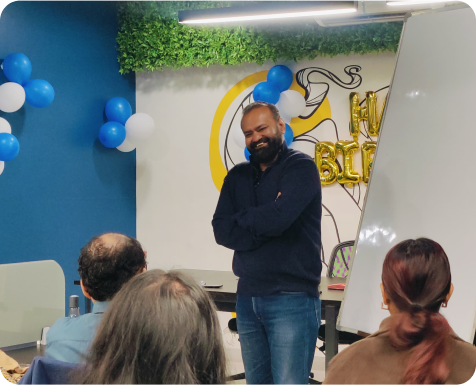
Vijay Mahnot — Board Member & TiE Women Co-Chair. Founder of VM Management Consulting & Advisory (VMMCA – Ek दिशा); Blitz Upscaling Specialist; External Advisor – McKinsey & Company; Stanford Seed Consultant; Specialist in Rural Markets, Plastic Pipes • Building Products • Business Transformation.