- April 19, 2026
- Blog & Newsletters
- Comments : 0
The Crucial Role of Angel Investors in Fueling Early-Stage Startup Growth in Central India
The Crucial Role of Angel Investors in Fueling Early-Stage Startup Growth in Central India
In the dynamic landscape of entrepreneurship, the journey from a nascent idea to a thriving business is often paved with significant challenges, chief among them being access to capital. For startups, especially in their nascent stages, securing the right funding can be the make-or-break factor. While venture capitalists (VCs) often enter the picture later, it is the angel investor who frequently provides the critical initial spark. In Central India, a region rapidly emerging as a hub for innovation and enterprise, the role of angel investors is becoming increasingly pivotal in nurturing the next generation of homegrown success stories. These individuals are more than just financiers; they are mentors, strategists, and vital connectors who help shape the future of startups in Indore, Bhopal, and across Madhya Pradesh.
What’s Happening: The Angel Investment Ecosystem in India and Central India
The Indian startup ecosystem has witnessed a remarkable evolution over the past decade, with angel investors playing an indispensable role in its growth. These high-net-worth individuals, often former entrepreneurs or seasoned professionals, invest their personal capital in early-stage ventures, providing not just funds but also invaluable mentorship and strategic guidance [4, 6, 17, 18]. In 2023 alone, India saw approximately 900 startups funded by angel investments, underscoring their significant contribution to early-stage deals [4].
While national trends show fluctuations, with some reports indicating a slowdown in early-stage funding in late 2024 and early 2025 due to market corrections and a focus on capital efficiency [15, 24, 28], there are also strong signals of continued investor confidence. For instance, in FY 2025-26, early-stage funding in India rose significantly, with seed-stage startups alone raising $1.3 billion [14]. This resilience highlights the enduring importance of angel investors. Furthermore, there’s a growing interest in funding emerging ecosystems beyond the traditional Tier-1 cities, making regions like Central India increasingly attractive [24].
Government initiatives further bolster this landscape. The Startup India Seed Fund Scheme (SISFS) offers grants up to ₹20 lakh and debt up to ₹50 lakh for early-stage startups, while the Startup India Fund of Funds 2.0 aims to mobilize venture and growth capital, with a focus on deep tech and early growth stages [22, 45].

In Central India, specifically Madhya Pradesh, the entrepreneurial spirit is being actively nurtured. The state government’s commitment, exemplified by the MP Startup Policy 2025 and a ₹200 Crore support package, aims to foster innovation and attract capital [19, 46]. This policy framework, coupled with initiatives like the ₹100 crore seed capital fund, is designed to de-risk early-stage ventures and promote new ideas across the state [46]. Cities like Indore and Bhopal are seeing increased activity, with dedicated angel networks and incubation centers emerging to support founders.
Why It Matters: The Impact on Founders, Investors, and Mentors
The influence of angel investors extends far beyond the financial infusion they provide. For founders, an angel investor can be a transformative partner. They bring a wealth of experience, having navigated the complexities of building businesses themselves. This translates into invaluable mentorship, offering strategic advice on product development, market entry, scaling, and operational management [4, 6, 17, 18]. Their networks are often extensive, opening doors to potential clients, strategic partners, and crucially, follow-on funding from venture capitalists [4, 17]. This early validation from a reputable angel can significantly reduce the perceived risk for larger institutional investors, making subsequent funding rounds more accessible.
For investors themselves, angel investing offers a unique opportunity to not only achieve financial returns but also to contribute to innovation and economic growth. They become active participants in shaping the future by backing promising ideas and visionary founders. This engagement often leads to a deeper understanding of emerging technologies and market trends.
Mentors, whether formal or informal, find a critical role in supporting angel investors and founders. They help bridge knowledge gaps, provide objective feedback, and guide startups through the inevitable challenges. Organizations like TiE Indore play a crucial role in facilitating these connections, fostering a supportive ecosystem where founders can access experienced mentors and investors can find promising ventures.
What Angel Investors Look For in a Startup
Securing angel investment requires founders to understand the key criteria that investors evaluate. While each investor may have specific preferences, several core elements are consistently sought after:

The Founding Team: This is often the most critical factor. Investors look for passionate, committed, and coachable founders with relevant expertise, a clear vision, and the resilience to overcome obstacles [5, 7, 9, 10]. A strong team can pivot a mediocre idea into a success, while a weak team can falter even with a brilliant concept.
Market Potential & Problem-Solution Fit: Investors seek startups that address a significant market need with an innovative and scalable solution [5, 9, 10]. They want to see evidence that there is a real demand for the product or service and that the market is large enough to support substantial growth.
Product/Service & Traction: A well-defined product or service that demonstrates early traction—whether through customer adoption, revenue, or strong user engagement—is highly attractive [7, 8, 10]. This validation proves that the business model is viable and has potential.
Business Model & Scalability: Investors need to understand how the startup will generate revenue and how it can scale efficiently to capture a significant market share [8, 9, 10]. A clear, repeatable, and profitable business model is essential.
Financials & Exit Strategy: Realistic financial projections, a solid understanding of unit economics, and a clear vision for an eventual exit (e.g., acquisition or IPO) are crucial [5, 7, 8, 10]. Investors are looking for a return on their investment.
Honesty & Transparency: Investors value founders who are upfront about challenges and risks, demonstrating integrity and a willingness to learn [7].
Key Factors Angel Investors Evaluate
| Factor | Description | Why It Matters |
|---|---|---|
| Founding Team | Passion, commitment, expertise, resilience, coachability, integrity. | The team executes the vision; a strong team can overcome challenges. |
| Market Potential | Large, growing, and accessible market size with a clear need. | Ensures scalability and potential for significant returns. |
| Problem-Solution Fit | Innovative and effective solution addressing a real market pain point. | Demonstrates value proposition and competitive advantage. |
| Product/Service & Traction | A well-developed offering with early signs of customer adoption or revenue. | Validates the business model and market demand. |
| Business Model & Scalability | Clear revenue streams, efficient operations, and potential for rapid growth. | Defines how the company will make money and grow sustainably. |
| Financials & Exit Strategy | Realistic projections, understanding of unit economics, and a path to liquidity (IPO/acquisition). | Ensures potential for investor ROI and defines long-term goals. |
| Honesty & Transparency | Openness about challenges, risks, and progress. | Builds trust and credibility with the investor. |
How Startups Can Respond: Attracting Angel Investment
For startups in Central India aiming to attract angel investors, a strategic approach is paramount. It begins with building a robust foundation that addresses the key investor criteria. Founders must meticulously craft a compelling business plan that clearly articulates the problem, their unique solution, the target market, and the revenue model. Demonstrating a deep understanding of the market, competition, and potential risks is crucial.
Building a strong, cohesive founding team is non-negotiable. Investors often bet on the people as much as the idea. This means showcasing relevant experience, a shared vision, and a commitment to execution. Early traction, even if it’s just a functional prototype or a few pilot customers, can significantly de-risk the investment for angels. Founders should also be prepared to discuss their financial projections realistically and articulate a clear, albeit preliminary, exit strategy.
Networking is key. Attending startup events, pitch competitions, and engaging with local incubators and accelerators can provide direct access to potential investors. Organizations like TiE Indore are invaluable platforms for making these connections and receiving guidance on refining pitches and business strategies. Remember, angel investors are looking for more than just a return; they seek to back founders they believe in and ventures that have the potential to make a significant impact.
Local Lens: Central India’s Startup Ecosystem
Central India, particularly Madhya Pradesh, is actively cultivating its startup ecosystem, with Indore and Bhopal at its forefront. The state government’s proactive stance, including the MP Startup Policy 2025 and a dedicated ₹100 crore seed capital fund, provides a fertile ground for early-stage ventures [46]. This policy offers financial assistance and support mechanisms designed to encourage innovation and entrepreneurship across the region.
Indore, recognized as a growing startup hub, hosts institutions like IIT Indore and IIM Indore, which are instrumental in fostering innovation through their incubation centers. IIT Indore’s incubation center, for example, has incubated 89 startups, attracting over ₹8 crores in funding and creating over 500 jobs, demonstrating a tangible impact on the local economy [16, 26]. The city also boasts incubators like AIC-Prestige Inspire Foundation, supporting tech-driven startups [40]. The presence of angel funding services in Indore further enhances its appeal to early-stage companies [25].

Bhopal is also making strides, with angel investor networks like SL Bhopal Angels actively engaging with local startups. These networks typically invest between Rs. 10 lacs to Rs. 2 crores, providing not only capital but also essential mentoring and handholding [23]. The broader Madhya Pradesh Startup Policy aims to create a supportive environment for founders in cities like Jabalpur and Gwalior as well, encouraging them to leverage state incentives and institutional support to build scalable businesses.
TiE Indore plays a crucial role in this ecosystem by connecting founders with experienced mentors and potential investors, organizing events, and providing a platform for knowledge sharing. Their programs are designed to empower entrepreneurs in Central India to navigate the funding landscape effectively and build resilient businesses.
Takeaways: A TiE Mentoring Perspective
From a TiE mentoring standpoint, the journey of a startup is as much about building a resilient business as it is about securing funding. In today’s market, characterized by a shift towards capital efficiency, founders must prioritize strong unit economics and a clear path to profitability [48]. This means meticulously managing burn rates and focusing on revenue-generating activities, rather than solely chasing high valuations. Investors are increasingly scrutinizing business fundamentals, looking for founders with deep domain expertise and a laser focus on solving tangible problems [48].
The role of mentorship has never been more critical. Experienced mentors can guide startups through the complexities of financial prudence, strategic networking, and operational excellence, especially during uncertain funding climates [48]. TiE Indore’s network of Charter Members, with their decades of experience, offers invaluable counsel. For founders in Central India, leveraging local support systems, understanding state policies, and building a strong community of mentors are not just advantages—they are essential strategies for survival and growth. As the saying goes, “बूँद बूँद से सागर भरता है” (Boond Boond Se Sagar Bharta Hai) – drop by drop fills the ocean. Consistent effort, strategic planning, and leveraging available resources are key to building substantial wealth and success.
Conclusion: Investing in the Heartland’s Future
Angel investors are the lifeblood of early-stage startup ecosystems, and their role in Central India is becoming increasingly significant. They provide the essential capital, mentorship, and network access that empower founders to transform innovative ideas into impactful businesses. As Madhya Pradesh continues to strengthen its startup infrastructure through supportive policies and dedicated institutions like IIT Indore and IIM Indore, the opportunities for aspiring entrepreneurs are expanding.
For founders in Indore, Bhopal, and across the region, understanding what angel investors seek—a strong team, a viable market, a scalable business, and clear financials—is the first step towards securing the funding needed to grow. By focusing on fundamentals, leveraging local support, and embracing the guidance offered by organizations like TiE Indore, startups in Central India are well-positioned to not only survive but thrive in the competitive global market. The heartland is ready for its next wave of innovation, and angel investors are key to unlocking that potential.
About the Author
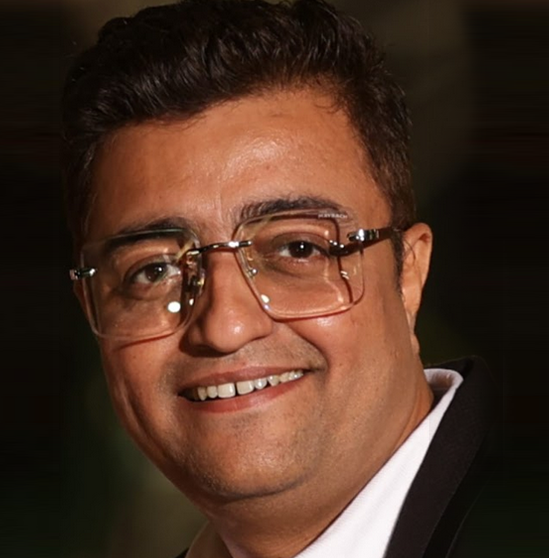
Jay Jain — Past-President. Investor, mentor & Co-founder of Astute Group; focus on early-stage funding and startup governance; Ex President and Board Member TiE; Angel Investor; Mentor; Founder’s Coach; Building Multiple Start-ups from Ideation to Exit for Business Family Houses; Auhor: “Magic of AI in 6 letters & a GSheet!”.
Frequently Asked Questions
What is the primary role of angel investors in India’s startup ecosystem?
Angel investors provide crucial early-stage funding, mentorship, and strategic guidance to startups when traditional financing options are often unavailable. They help bridge the gap between an idea and a viable business, often offering access to their networks and expertise.
What are the key factors angel investors look for in a startup?
Angel investors primarily look for a strong, committed founding team, a large and scalable market with a clear problem-solution fit, demonstrable traction, a sound business model, realistic financial projections, and a viable exit strategy. Honesty and coachability are also highly valued.
How is Central India’s startup ecosystem evolving to support early-stage growth?
Central India, particularly Madhya Pradesh, is actively fostering its startup ecosystem through supportive policies like the MP Startup Policy 2025, dedicated seed funds (e.g., ₹100 crore fund), and incubation centers at institutions like IIT Indore and IIM Indore. Cities like Indore and Bhopal are seeing the rise of angel networks and funding services, supported by organizations like TiE Indore, to nurture early-stage ventures.