- April 16, 2026
- Blog & Newsletters
- Comments : 0
The Heartland’s Funding Evolution: How Central India Startups Can Master Capital Efficiency and Diversified Investment
The Heartland’s Funding Evolution: How Central India Startups Can Master Capital Efficiency and Diversified Investment
The entrepreneurial spirit in Central India is vibrant, with Indore, Bhopal, and other cities emerging as hubs of innovation. However, the global economic climate has significantly reshaped the startup funding landscape. Gone are the days of easy venture capital for every idea. Today, early-stage startups, particularly in Tier-2 cities like those in Madhya Pradesh, must adopt a more strategic and capital-efficient approach to fundraising. This shift demands a deeper understanding of diverse funding models beyond traditional equity rounds, focusing on sustainable growth and robust financial discipline. This article explores how founders in Central India can navigate this evolving terrain, leveraging new opportunities and TiE Indore’s ecosystem support to secure the capital they need to thrive.

What’s Happening: The Shifting Funding Tides
The global venture capital (VC) market has experienced a notable recalibration. After years of abundant capital and high valuations, investors are now prioritizing profitability, sustainable unit economics, and clear paths to positive cash flow. This has led to a slowdown in early-stage funding rounds and increased scrutiny on business models. In India, while the overall funding ecosystem remains robust, the narrative has shifted from hyper-growth at all costs to disciplined expansion. Startups are increasingly looking beyond traditional VC. Venture debt, which offers capital without diluting equity significantly, is gaining traction. Revenue-based financing (RBF) models, where investors provide capital in exchange for a percentage of future revenue, are also becoming popular, offering a non-dilutive alternative for businesses with predictable revenue streams. Furthermore, government grants, incubation programs, and angel investor networks are playing a crucial role, especially in Tier-2 and Tier-3 cities, providing vital early-stage capital and mentorship. Data from recent reports indicate a growing interest from angel investors and family offices in supporting startups in emerging hubs like Indore and Bhopal, recognizing their potential and the increasing availability of skilled talent.
Why It Matters: Impact on Founders, Investors, and Mentors
For founders, this evolving funding landscape presents both challenges and opportunities. The emphasis on capital efficiency means startups must demonstrate strong financial management and a clear return on investment from day one. This can lead to less equity dilution for founders, allowing them to retain greater control over their companies. However, it also requires a more sophisticated understanding of financial instruments and a robust business plan that can attract diverse investors. Investors, in turn, are seeking more sustainable business models and are willing to back founders who exhibit financial prudence and strategic foresight. They are looking for companies that can achieve profitability and scale responsibly. Mentors and advisors have a critical role to play in guiding founders through this complex environment. They can help startups refine their financial strategies, identify the most suitable funding avenues, prepare compelling pitch decks, and negotiate favorable terms. TiE Indore, with its network of experienced mentors and investors, is uniquely positioned to facilitate this crucial guidance, ensuring that Central India’s entrepreneurs are well-equipped to secure the capital needed for their growth journeys.
How Startups Can Respond: Strategies for Sustainable Growth
Central Indian startups can proactively adapt to the changing funding climate by focusing on several key strategies. Firstly, prioritize capital efficiency. This means meticulously managing expenses, optimizing operational workflows, and ensuring every rupee invested contributes directly to growth and profitability. Develop a lean operational model and focus on achieving positive unit economics early on. Secondly, diversify funding sources. Instead of solely relying on venture capital, explore options like venture debt, revenue-based financing, government grants (e.g., from DPIIT, MeitY, or state-specific schemes), and crowdfunding. Building relationships with angel investor networks, such as the TiE Indore Angel Network, and local family offices can provide crucial early-stage capital and strategic guidance. Thirdly, strengthen financial planning and forecasting. Create detailed financial projections that clearly articulate revenue streams, cost structures, and profitability timelines. A well-prepared financial model is essential for attracting any type of investor. Fourthly, focus on building a strong, scalable product or service with clear market validation. Investors are looking for solutions that address real market needs and have demonstrated traction, even if it’s in its early stages. For startups in Indore, Bhopal, Jabalpur, and Gwalior, this means leveraging local talent pools and understanding regional market nuances to build resilient businesses.
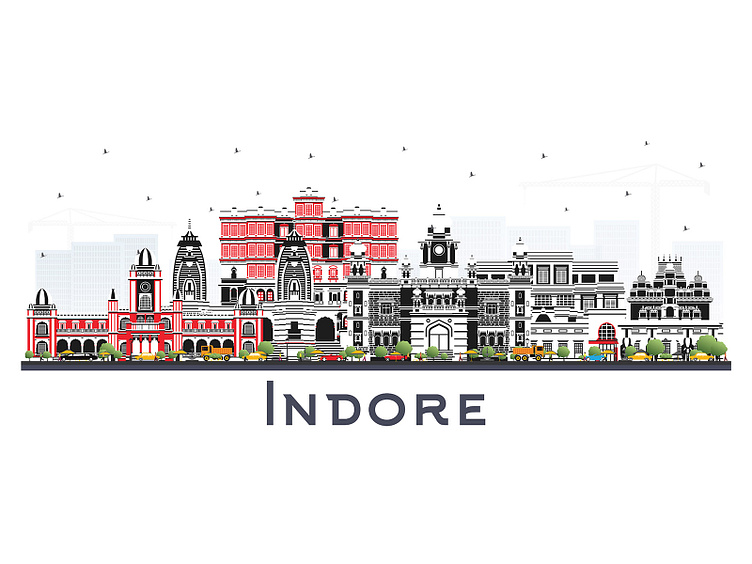
Local Lens: Central India’s Ecosystem Advantage
Central India’s startup ecosystem is rapidly maturing, with cities like Indore and Bhopal becoming significant entrepreneurial hubs. Institutions like IIM Indore and IIT Indore are not only producing skilled talent but also fostering innovation through their incubation centers, such as IITI DRISHTI, which actively supports deep tech and emerging technology ventures. The MPSEDC IT Park and Crystal IT Park in Indore, along with the Electronics Complex, provide the necessary infrastructure and a conducive environment for tech startups. For instance, companies like ShopKirana, an Indore-based B2B-commerce platform, have successfully leveraged technology and supply chain innovation to empower retailers, demonstrating how local ventures can attract investment and scale. TiE Indore plays a pivotal role in this ecosystem by connecting founders with mentors and investors through initiatives like TiE Con MP and its Angel Network. These platforms offer invaluable opportunities for startups to learn about diverse funding models, refine their pitches, and secure capital. The organization also champions programs like TiE Nutrure and TiE Women MP, specifically designed to support and empower entrepreneurs, including women founders, in navigating the complexities of fundraising and scaling their ventures. The availability of state government policies, such as the MP Startup Policy, further bolsters the ecosystem by offering incentives and support mechanisms for nascent businesses. As entrepreneurs in Madhya Pradesh look to scale, understanding these local resources and adapting global funding trends to their regional context is paramount. यार, पैसे का जुगाड़ तो करना ही पड़ेगा! (Friend, you have to arrange for the money!) This local phrase underscores the practical, hands-on approach needed.
Funding Models at a Glance
Understanding the various funding avenues is crucial for early-stage startups. Each model offers distinct advantages and disadvantages, making it essential to choose the one that best aligns with the startup’s growth stage, financial needs, and long-term vision.
| Funding Model | Description | Pros | Cons | Best Suited For |
|---|---|---|---|---|
| Venture Capital (VC) | Investment in exchange for equity, typically from institutional investors. | Significant capital infusion, strategic guidance, network access, validation. | Dilution of founder equity, loss of control, pressure for high growth and exit. | High-growth potential startups with scalable business models seeking substantial capital for rapid expansion. |
| Angel Investors | High-net-worth individuals investing their personal capital, often in early stages. | Early capital, mentorship, industry connections, flexible terms. | Smaller investment amounts compared to VCs, potential for founder interference. | Pre-seed and seed-stage startups needing initial capital and experienced guidance. |
| Venture Debt | Debt financing provided by specialized lenders, often alongside equity rounds. | Non-dilutive capital, extends runway, lower cost than equity, preserves founder ownership. | Requires existing equity funding, interest payments, potential warrants, covenants. | Startups with existing VC backing needing to extend runway or fund specific growth initiatives without further equity dilution. |
| Revenue-Based Financing (RBF) | Capital provided in exchange for a percentage of future revenue, repaid over time. | Non-dilutive, flexible repayment tied to revenue, faster than VC, no warrants. | Repayments can be high during peak revenue periods, may not suit highly variable revenue models. | SaaS, e-commerce, and subscription-based businesses with predictable revenue streams. |
| Government Grants & Schemes | Non-repayable funds or subsidies provided by government bodies for specific purposes. | Non-dilutive, can be substantial, supports innovation and specific sectors (e.g., deep tech, MSMEs). | Often complex application processes, specific eligibility criteria, reporting requirements. | Startups in priority sectors, R&D-focused ventures, or those meeting specific social/economic objectives. |
Takeaways: TiE Mentoring Perspective & Practical Actions
From a TiE mentoring perspective, the key takeaway for early-stage founders in Central India is to approach fundraising with a strategic mindset, focusing on long-term sustainability rather than short-term valuation gains. Mentors at TiE Indore emphasize the importance of building a strong foundation:
- Develop a Robust Financial Model: Clearly outline your revenue streams, cost structure, customer acquisition cost (CAC), lifetime value (LTV), and path to profitability. This model should be dynamic and adaptable.
- Understand Your Funding Needs: Determine precisely how much capital you need, what it will be used for, and what milestones it will help you achieve. This clarity is crucial for any investor conversation.
- Master Your Pitch Deck: Your pitch deck must tell a compelling story, highlighting the problem, your solution, market opportunity, business model, team, traction, and financial projections. Tailor it for different investor types.
- Network Strategically: Actively participate in TiE events, pitch competitions, and networking sessions to connect with angel investors, VCs, and potential strategic partners. Building relationships is key.
- Explore Non-Dilutive Funding: Investigate government grants, incubation support, and revenue-based financing options. These can significantly reduce equity dilution and provide runway.
- Seek Mentorship: Leverage the expertise of TiE Indore mentors who have navigated similar funding challenges. Their guidance on term sheets, valuation, and investor relations can be invaluable.

Conclusion: Building a Resilient Future
The global shift towards capital efficiency and diversified funding models is not a temporary trend but a fundamental evolution in how startups are financed. For Central India’s burgeoning entrepreneurial ecosystem, this presents an opportunity to build more resilient, sustainable, and founder-friendly businesses. By understanding and strategically employing a mix of funding instruments – from venture debt and RBF to angel investments and government grants – startups in Indore, Bhopal, and beyond can secure the resources they need without compromising long-term ownership or vision. TiE Indore remains committed to empowering these founders through its extensive network, educational programs, and mentorship. As you embark on your entrepreneurial journey, remember that smart, strategic fundraising is as critical as a great product. Embrace the challenge, seek guidance, and build a financially sound future for your venture in the heart of India.

About the Author
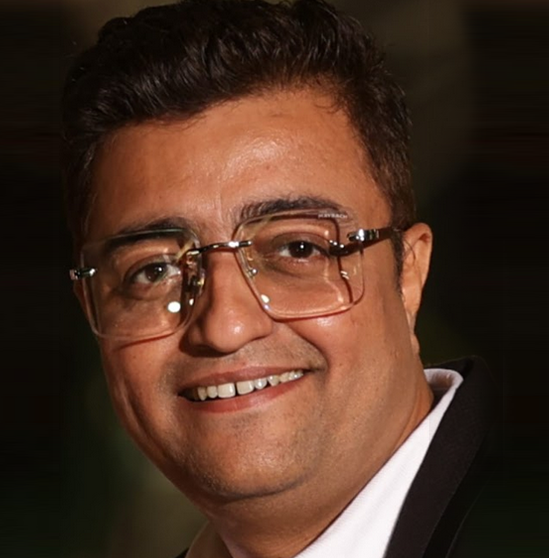
Jay Jain — Past-President. Investor, mentor & Co-founder of Astute Group; focus on early-stage funding and startup governance; Ex President and Board Member TiE; Angel Investor; Mentor; Founder’s Coach; Building Multiple Start-ups from Ideation to Exit for Business Family Houses; Auhor: “Magic of AI in 6 letters & a GSheet!”.